Your cart

Loading…

Register 🏠 Home 📰 Articles 🎬 Videos 📚 Guides 🚜 Farm Market 🔥 Hot Products 💚 Donate
👤 Dashboard
🌾 Farmer Login 🌾 Farmer Register 🤝 Partner Login 🤝 Partner Register 🔗 Affiliate Marketer Register 🔗 Affiliate Marketer Login 🚛 Transporter Register 🚛 Transporter Login
🌾 Browse Farming Topics
🌽 Crops
All Field Crops Maize Sorghum Sunflower Soybeans Canola Sugarcane Cotton Groundnuts Tobacco
🥬 Vegetables
All Vegetables Tomatoes Potatoes Onions Cabbage Spinach Butternut Carrots Garlic Peppers & Chilli Green Beans
🍊 Fruit
All Fruit Farming Citrus Avocados Mangoes Table Grapes Viticulture Bananas Macadamia Pecans Blueberries Figs
🐄 Livestock
All Livestock Cattle Dairy Sheep Goats Pigs Chickens Ostriches Game Farming Rabbits Horses
🌿 Speciality
Bee Keeping Mushrooms Snails Earthworms Crickets Lavender Hemp Aquaculture Tilapia Catfish Oysters Aquaponics Hydroponics Microgreens Spirulina Container Farming Olives Rooibos & Tea Hops Aloe Community Gardens Floriculture
📚 Resources
Seeds & Planting Soil & Fertilizers Composting Cover Crops Pest Control Irrigation Systems Land Preparation Equipment Crop Rotation Organic Farming Permaculture No-Till Farming Farming Grants Agri Markets Export Farming
🛒 Store
Farm Store Farm Store Sponsor a Farm Donate
🤝 Get Involved
Partners & Sponsors Sell Your Produce (Farmers) Grower Affiliate Program Deliver Farm Produce (Transporters)
ℹ️ About
About Us Contact Us Disclaimer
🍊 SA citrus exports: #1 in Southern Hemisphere
🥑 Avocado boom: Limpopo production up 40% since 2022
🍎 Elgin & Ceres apples, high-quality quality for UK & Asia markets
🥭 Mango season: November – February in Limpopo & Mpumalanga
🍑 Stone fruit (peaches, plums, nectarines), Ceres & Hex River prime zones
🍊 SA citrus exports: #1 in Southern Hemisphere
🥑 Avocado boom: Limpopo production up 40% since 2022
🍎 Elgin & Ceres apples, high-quality quality for UK & Asia markets
🥭 Mango season: November – February in Limpopo & Mpumalanga
🍊 Deciduous, Tropical & Subtropical Fruit for SA

Fruit Farming in
South Africa

South Africa grows a wide range of fruit, from citrus and avocados in warmer areas to apples, pears and stone fruit in cooler Western Cape valleys. Production decisions differ sharply between these crops, so orchard choice, water availability and market access need to be considered together.

9
Free Guides
R52B
SA Fruit Exports
#1
SA Citrus Hemisphere
100%
Free to Read

South Africa's fruit industry

South Africa has a large export-oriented fruit industry, with citrus, deciduous fruit, subtropical fruit and table grapes moving through established packhouses and export channels. Production is concentrated in distinct regions: citrus in several warmer irrigated areas, avocados and mangoes in the Lowveld and Limpopo, and deciduous fruit in Western Cape valleys. The market and cultivar requirements differ by crop, so a new orchard should be planned around the intended buyer rather than planting first and looking for a market later.

Deciduous fruit (apples, pears, peaches, plums, and nectarines) thrives in the cool mountain valleys of Ceres, Elgin, and Villiersdorp in the Western Cape. Subtropical fruit, including mangoes, litchis, bananas, and pawpaws, dominates Mpumalanga, Limpopo, and KwaZulu-Natal's warm lowveld regions.

The useful questions for a fruit grower are practical: Is the site suitable for the cultivar? Is water legally available and dependable? Can the crop reach a packhouse or buyer without excessive transport costs? What grading, traceability and food-safety requirements will the market impose? Those questions often determine whether an orchard is viable before the first tree is planted.

South Africa's Southern Hemisphere season can give exporters access to overseas markets when production in parts of the Northern Hemisphere is lower. The advantage varies by crop and destination, however, and export prices are affected by freight, exchange rates, quality, tariffs, packhouse costs and competition from other origins. A producer should work from a realistic delivered-market price rather than assume that export fruit automatically earns a premium.

Irrigation is the most fundamental resource requirement for SA fruit production. The Western Cape's Berg and Breede River schemes, the Limpopo-Olifants systems serving the lowveld, and the Great Fish River in the Eastern Cape underpin billions of rands in fruit exports each season. New orchard investors must carefully assess water entitlement security, as South Africa's evolving water law and the effects of prolonged drought cycles make water allocation a strategic, and sometimes contentious, planning issue.

Pests and diseases can affect both yield and market access. Export growers therefore need crop-specific scouting, hygiene, monitoring and treatment programmes, together with records that satisfy the requirements of their buyers and packhouses. Problems such as false codling moth, citrus black spot and Phytophthora require different control strategies, so recommendations should be matched to the crop and current local guidance.
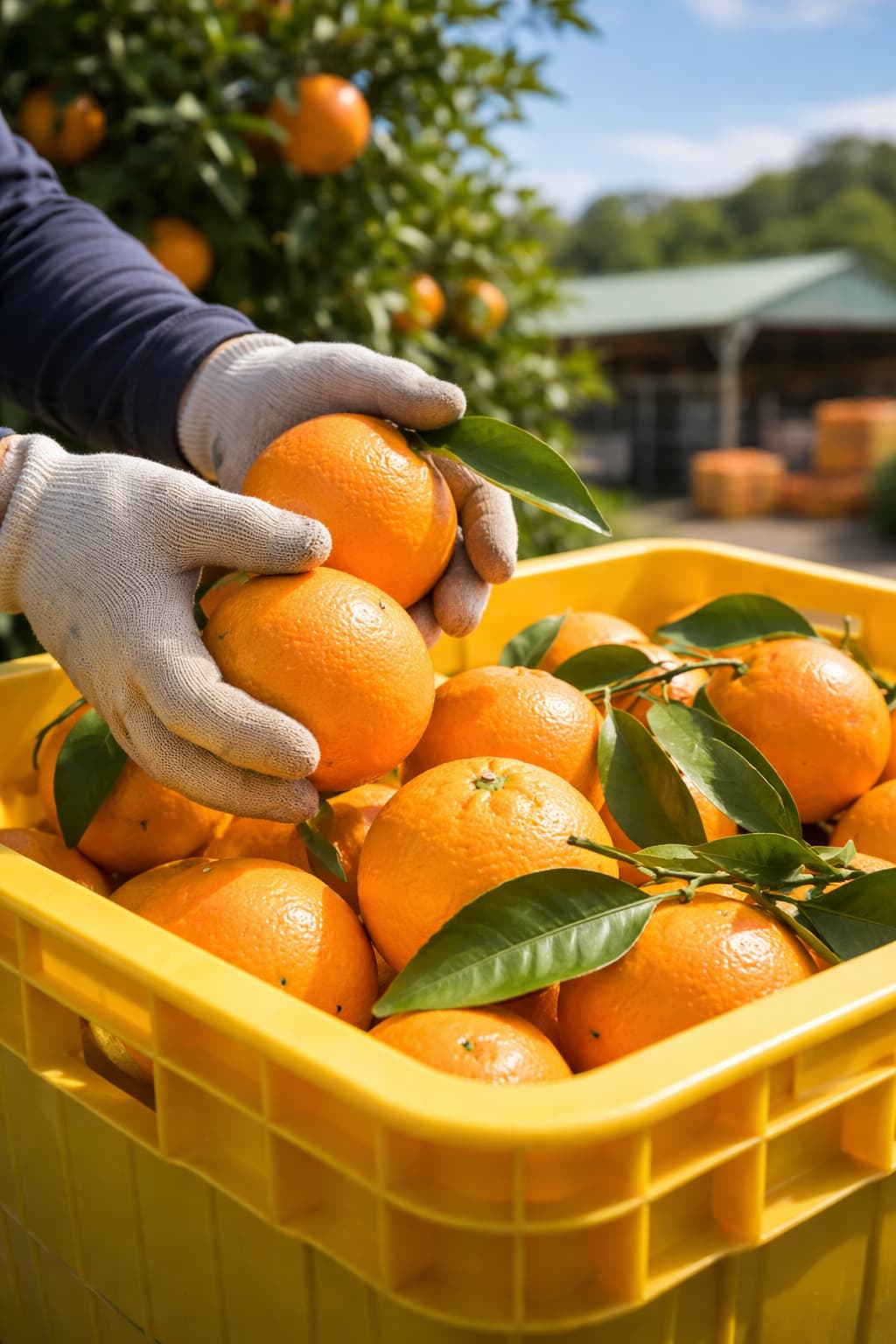
Harvesting export-quality navel oranges on a South African citrus farm

Fruit Farming Guides for SA Farmers

Species-specific and general guides covering SA's most important fruit crops, from planting to packing house.

🍊
Citrus
Citrus Farming in South Africa: Varieties, Planting & Export Standards
Navels, Valencia, lemons, soft citrus, selecting varieties for your climate, orchard design, irrigation, and meeting GlobalGAP standards for export.
🥑
Avocado
Avocado Farming in Limpopo & Mpumalanga: A Complete SA Guide
Hass vs. Fuerte, orchard establishment, irrigation requirements, pollination management, post-harvest handling, and export chain logistics for SA avo growers.
🍎
Deciduous
Apple & Pear Farming in the Western Cape: Ceres, Elgin & Hex River
Chilling hour requirements, variety selection, pruning systems, cold storage, and accessing the Woolworths, Pick n Pay, and UK export supply chains.
🥭
Subtropical
Mango Farming in South Africa: Tommy Atkins, Keitt & Kent Varieties
SA mangoes are among the world's sweetest. This page covers orchard site selection in Limpopo and Mpumalanga, thinning, alternate bearing management, and fresh market sales.
🍑
Stone Fruit
Peaches, Plums & Nectarines: Stone Fruit Farming for SA Conditions
Chilling requirements, thinning, spray programs for Bacterial Spot and Brown Rot, and meeting the stringent size and colour standards demanded by European retailers.
📦
Post-Harvest
Post-Harvest Handling & Cold Chain Management for SA Fruit Farmers
Pre-cooling, ethylene management, cold storage temperature protocols, and how to reduce post-harvest losses that cost SA fruit farmers hundreds of millions each year.

6 Steps to a Productive Fruit Orchard

Fruit farming is a long-term investment. Most orchards reach full production in years 4–6. Start with these foundations.

01
Match Crop to Climate
Citrus needs warm, frost-free conditions. Deciduous fruit needs cold winters (chilling hours). Subtropical fruit needs heat and humidity. Map your climate first.
02
Soil Profile & pH
Deep, well-drained soils (800mm+) are essential for most fruit trees. Test and correct pH to 5.5–6.5. Deep ripping before planting pays dividends for decades.
03
Source Certified Plant Material
Buy from SA nurseries registered with the DALRRD Plant Improvement Scheme. Virus-indexed plant material is non-negotiable for export market access.
04
Design Your Irrigation
Micro-sprinklers for citrus; drip for avocados and deciduous fruit. Install moisture sensors for precision irrigation, water is SA's scarcest farming input.
05
Establish & Train
The first 2–3 years are all about building tree structure. Invest in correct pruning and training, it determines yield potential for the next 20+ years.
06
Target Your Market Early
Register for GlobalGAP, contact Freshmark, Subtrop, or a PPECB-registered exporter before your first harvest. Market access must be secured before your fruit is ready.

🍊 SA Fruit Farmer Quick reference

🌡️
Frost Protection Saves Orchards
A single unexpected frost can destroy an entire citrus or avocado crop. Wind machines, overhead irrigation frost protection, and frost-hardy rootstocks are essential insurance in high-risk areas.
🐛
False Codling Moth is SA's #1 Citrus Threat
FCM causes massive post-harvest losses and can disqualify entire export consignments. Establish a pheromone trap monitoring program from day one in your orchard.
💧
Avocado Trees Are Water Sensitive
Avocados cannot tolerate waterlogged soils even briefly. Raised beds or mounded rows in heavy soils prevent Phytophthora root rot, the most devastating avocado disease in SA.
📋
PPECB Registration Opens Export Doors
All SA fresh fruit exports must be inspected by PPECB (Perishable Products Export Control Board). Register and understand their grading standards before you plant, not after.

Before planting a fruit orchard

Use these checks before you commit money, land or trees. They are a practical starting point; cultivar and regulatory decisions should still be matched to the farm and current local guidance.

Further reading and primary sources