SA's Growing Vegetable Sector
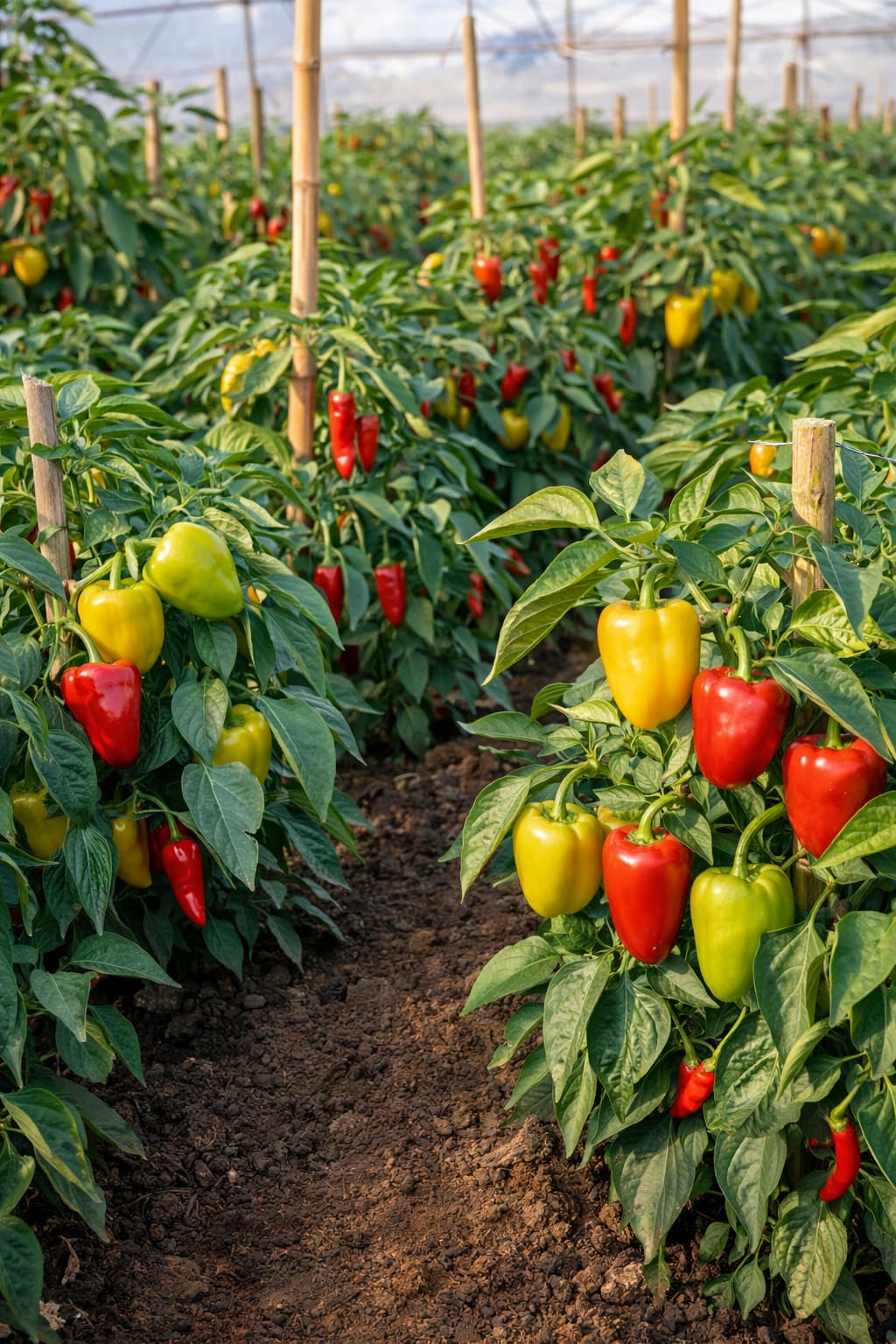
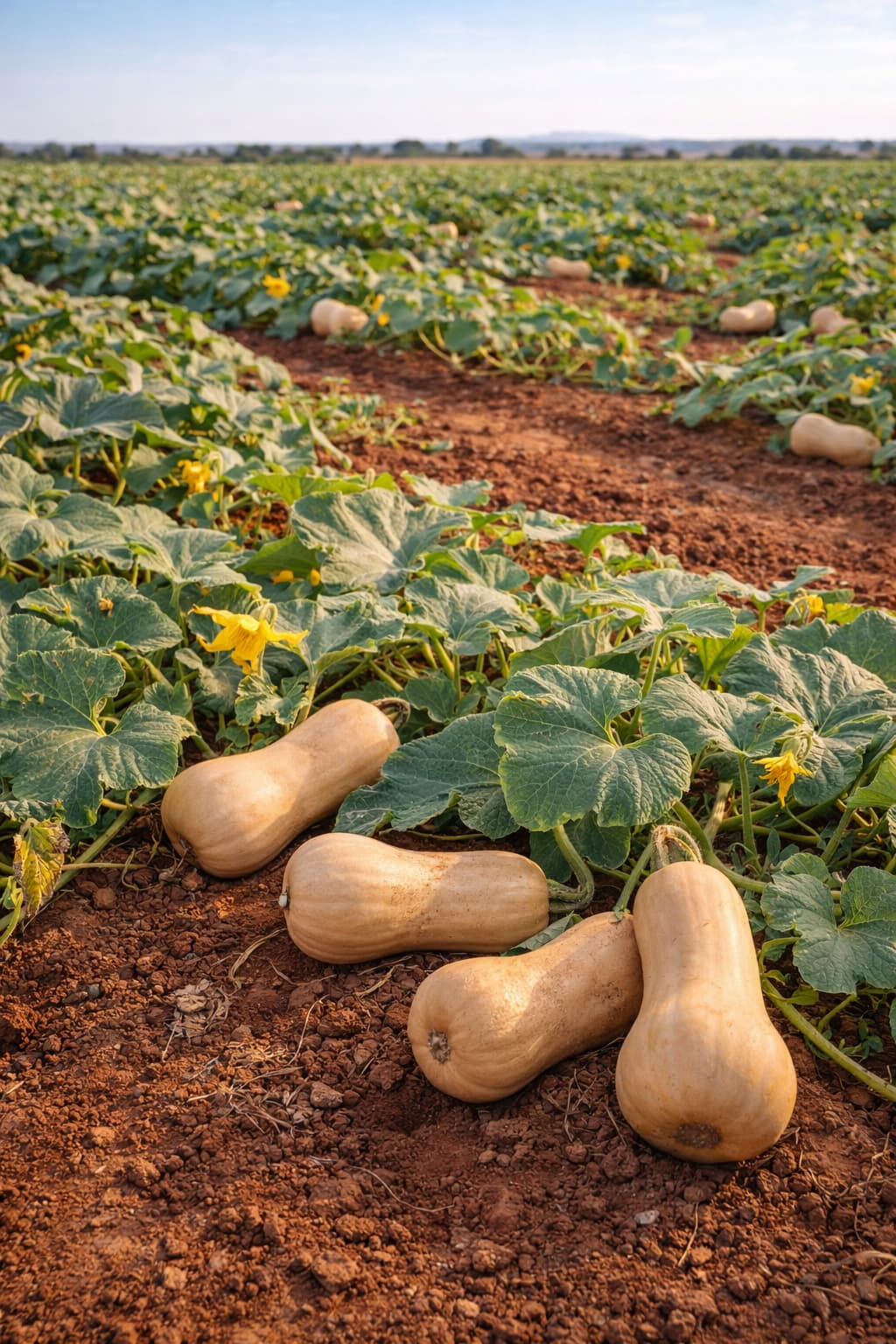
South Africa's commercial vegetable industry is valued at over R20 billion per year. Tomatoes, potatoes, onions, and cabbages are the four largest vegetable crops by value, but small-scale farmers across the country are earning meaningful income from spinach, peppers, butternuts and baby vegetables, especially supplying informal markets and spaza shops.
Vegetable farming offers some of the fastest returns in agriculture, spinach can be ready to harvest in as little as 6 weeks, and many crops can be planted year-round in warm SA regions. However, vegetables also demand more intensive management than grain crops, irrigation, fertilization, pest and disease control, and post-harvest handling all require close attention.
This guide covers the most widely grown and commercially important vegetables in South Africa, with detailed planting and management information for each.
Most Grown Vegetables in SA
Tomato Farming in South Africa
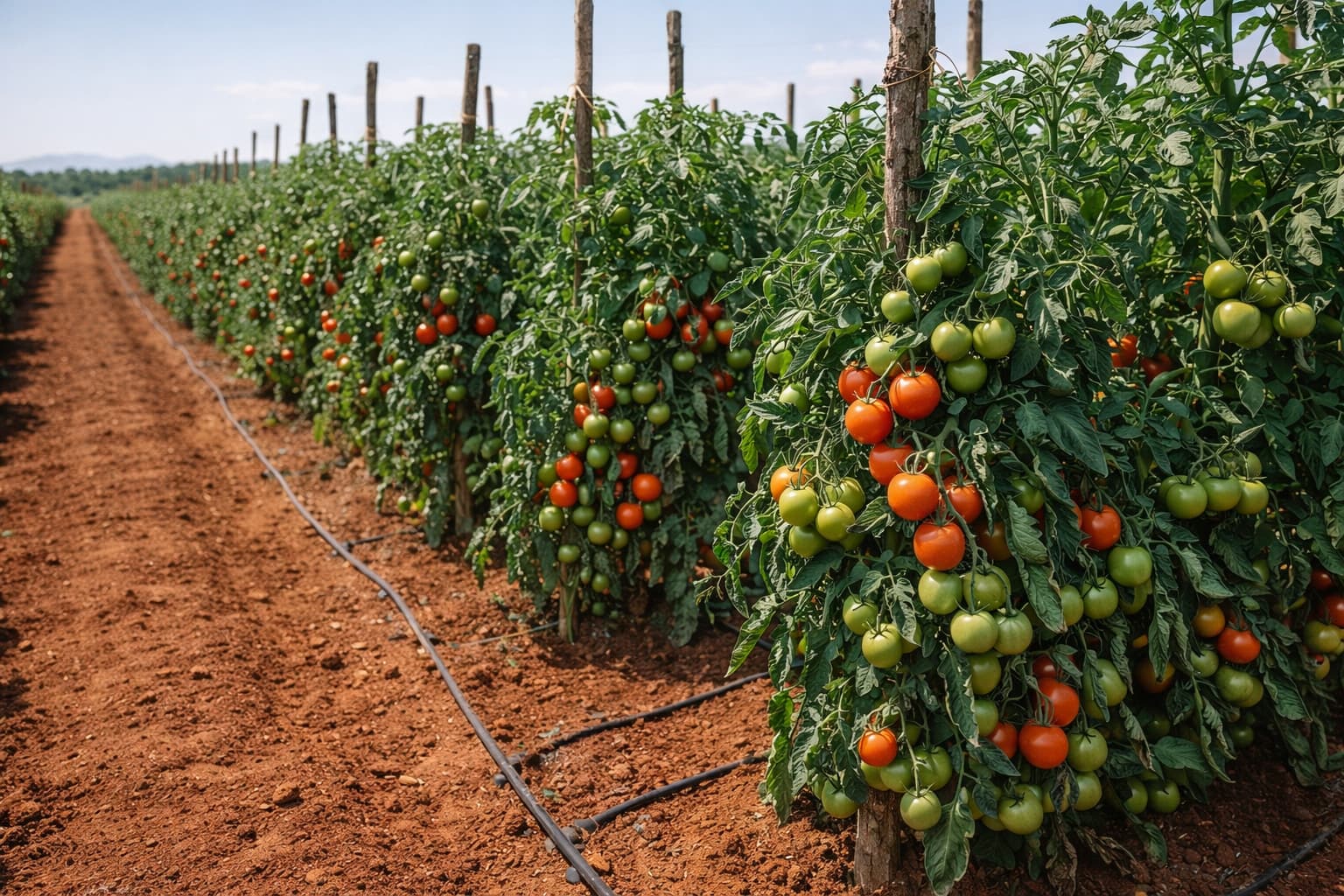
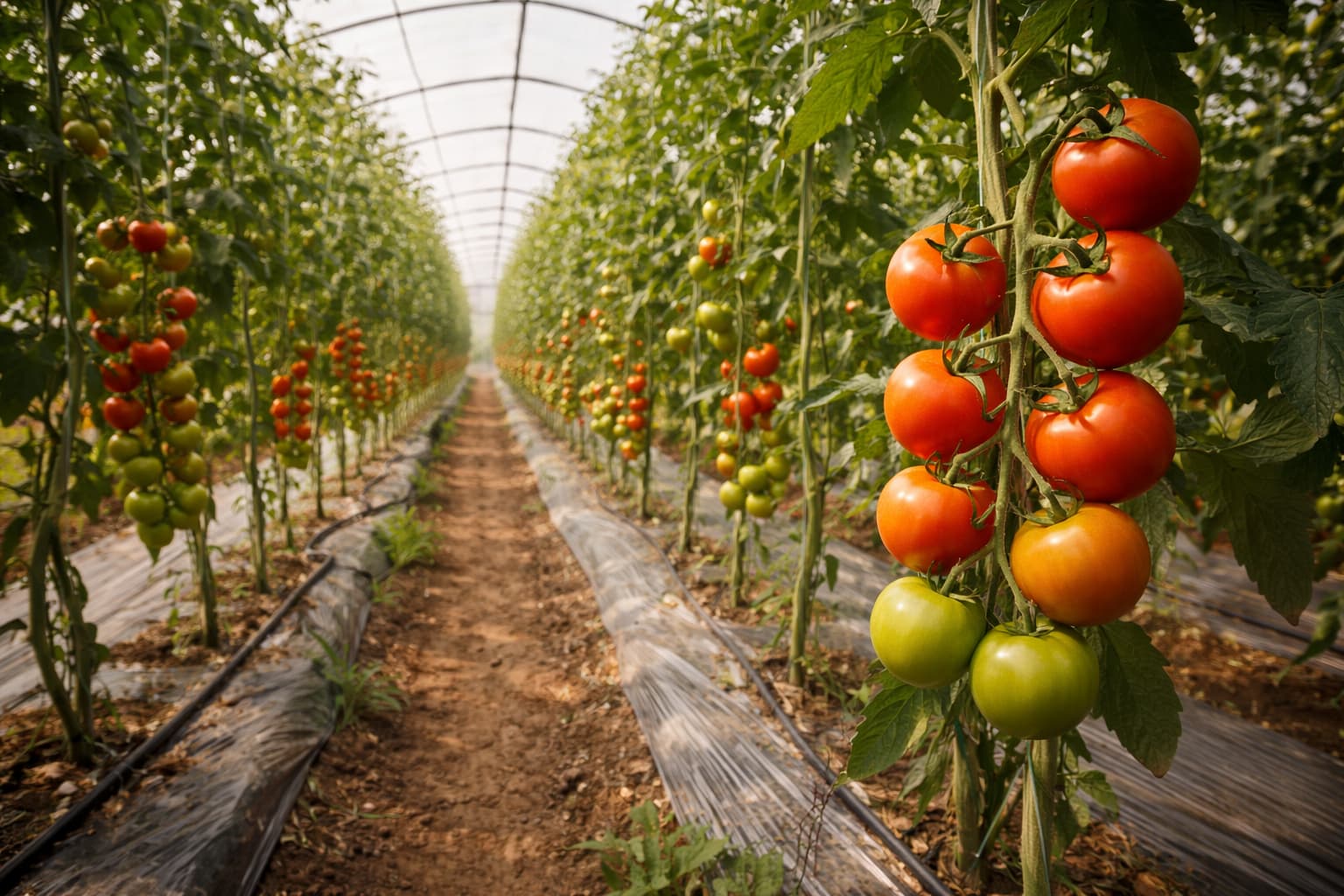
Tomatoes are South Africa's number one vegetable crop by both volume and value, with the country producing over 500 000 tonnes per year. The Limpopo province (particularly the Letsitele and Tzaneen areas), the Western Cape, and Mpumalanga are the largest production regions. Tomatoes are grown commercially in virtually every province.
Choosing a Tomato Variety
Variety selection is critical for tomato success in South Africa. Key criteria are: disease resistance package (especially bacterial wilt, Fusarium, Verticillium, nematodes, and viruses), fruit type required by your market, and suitability for your growing method (open field, tunnel, or shade net).
| Variety | Type | Best Use | Disease Package | Notes |
|---|---|---|---|---|
| Rodade | Round, red | Open field, processing | F, V, N | Most widely planted in SA; very consistent |
| Heinz 1370 | Processing | Paste, sauce production | F, V | Determinate; excellent for Limpopo |
| Money Maker | Indeterminate | Fresh market, small farms | F | Open-pollinated; cheap seed; widely available |
| DRW 5959 | Round, hybrid | Fresh market, supermarkets | F, V, N, TMV | Excellent post-harvest shelf life |
| Oxheart | Large, oxheart | Direct market, townships | Limited | High demand at informal markets; big fruit |
Tomato Planting Guide
Seedling Production
Never direct-seed tomatoes in the field. Raise seedlings in trays in a nursery or shade-net house for 4–5 weeks. Use sterilised seedling mix (peat + perlite or vermiculite + compost). Sow seeds 2–3mm deep, keep moist. Transplant when seedlings are 15–20cm tall with 4–5 true leaves.
- Optimal transplanting time: September–November (spring/summer) or February–March (autumn)
- Spacing: 0.4–0.6m between plants, 1.2–1.5m between rows
- Depth: Plant deeper than the root ball, burying the stem encourages extra root formation
- Irrigation: Water immediately after transplanting; keep soil consistently moist but not waterlogged
Fertilization Programme
Tomatoes are heavy feeders. A yield of 50 t/ha removes approximately 200kg N, 50kg P and 350kg K from the soil. Most commercial SA tomato farmers use fertigation (fertilizer through drip irrigation) for maximum efficiency.
- Basal (before planting): 2:3:4 (22) at 500–700 kg/ha incorporated into seedbed
- Vegetative phase: High nitrogen fertilizer, LAN or calcium nitrate via drip
- Flowering to fruit set: Balance nitrogen, increase potassium; avoid excess nitrogen
- Fruit sizing: High potassium (monoK or potassium nitrate) via drip for colour and shelf life
- Calcium foliar: Apply regularly to prevent Blossom End Rot (BER), very common in SA conditions
🍅 Blossom End Rot (BER) is firmly among the most common tomato problems in South Africa. It appears as a dark sunken patch at the bottom of the fruit. It is caused by calcium deficiency or irregular watering, NOT soil calcium shortage. Consistent irrigation and regular calcium foliar sprays (calcium chloride or calcium nitrate) prevent it effectively.
Tomato Diseases & Pest Control
Disease management is the biggest challenge in South African tomato production. The warm, humid conditions in summer-rainfall areas create ideal conditions for fungal and bacterial diseases, while viral diseases spread by whiteflies and thrips are an increasing problem.
| Pest / Disease | Symptoms | Management |
|---|---|---|
| Early Blight (Alternaria solani) | Brown spots with yellow halo on lower leaves. Concentric rings visible. | Mancozeb, Chlorothalonil. Remove affected leaves. Avoid overhead irrigation. |
| Late Blight (Phytophthora infestans) | Water-soaked lesions on leaves; white mould on underside. Rapid spread in cool, wet weather. | Metalaxyl + Mancozeb. Spray preventively in high-risk weather. Copper-based products. |
| Bacterial Wilt (Ralstonia solanacearum) | Sudden wilting of entire plant. Vascular browning visible in stem cross-section. | No chemical cure. Use resistant varieties (Rodade). Avoid infected soil. Crop rotation. |
| Fusarium Crown Rot | Brown discolouration at stem base. Plant collapses in hot weather. | Resistant varieties. Soil fumigation in severe cases. Avoid wounding roots at transplant. |
| Whitefly + TYLCV Virus | Yellowing, curling leaves; stunted growth. Transmitted by silverleaf whitefly. | Yellow sticky traps. Imidacloprid or Thiamethoxam. Use virus-resistant varieties. |
| Tomato Leaf Miner (Tuta absoluta) | White tunnels (mines) in leaves. Frass visible. Fruit damage at calyx. | Pheromone traps for monitoring. Emamectin benzoate, Chlorfenapyr. Biosafe options: Spinosad. |
Spinach Farming, Fast Cash Crop
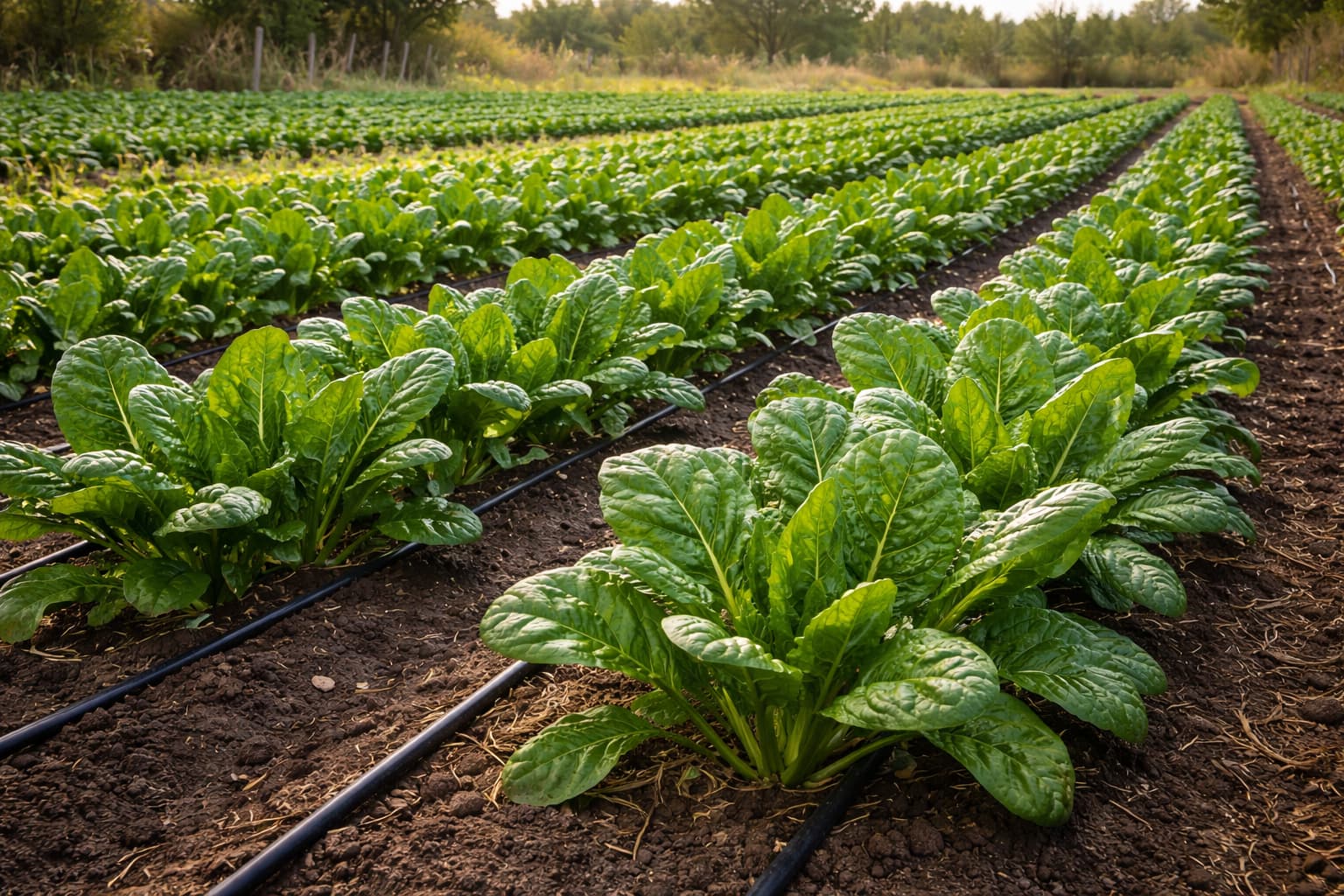
Swiss chard (Beta vulgaris var. cicla), locally called spinach, is the a widely grown leafy vegetable for small-scale production for small-scale South African farmers. It germinates within 7–10 days, can be harvested continuously over 6–9 months by cutting outer leaves, and is in constant demand at informal markets, spaza shops, and street vendors across every township in the country.
Planting Spinach
- Season: Year-round in most SA regions; peak demand in winter (June–August)
- Soil: Well-drained, pH 6.0–7.0. Incorporate compost at 4–6 tonnes/ha before planting
- Spacing: Direct sow in rows 30cm apart, thin to 20cm between plants
- Depth: Sow seeds 15–20mm deep; germination in 7–10 days
- Irrigation: Keep soil consistently moist; avoid waterlogging. Drip irrigation ideal.
- Fertilizer: Side-dress with LAN (150kg/ha) every 4–6 weeks after each harvest
- First harvest: 6–8 weeks from sowing; thereafter harvest outer leaves every 2–3 weeks
💰 Spinach Income Example: A well-managed 500m² spinach plot can produce 8–12 bundles per harvest cycle every 2–3 weeks. At R8–R15 per bundle at the informal market, that is R64–R180 per cycle from a half-plot. Over a 6-month season, a committed small-scale farmer can earn R1 500–R4 000 from 500m², with very low input costs.
Vegetable Planting Calendar, South Africa
| Vegetable | Plant (Summer RF) | Plant (Winter RF/Irrig.) | Days to Harvest | Yield (t/ha) |
|---|---|---|---|---|
| 🍅 Tomatoes | Sep–Jan | Feb–Apr (tunnel) | 70–90 days | 40–80 |
| 🥬 Spinach | Year-round | Year-round | 45–60 days | 20–35 |
| 🥬 Cabbage | Mar–Jun | Mar–Jun | 90–120 days | 40–60 |
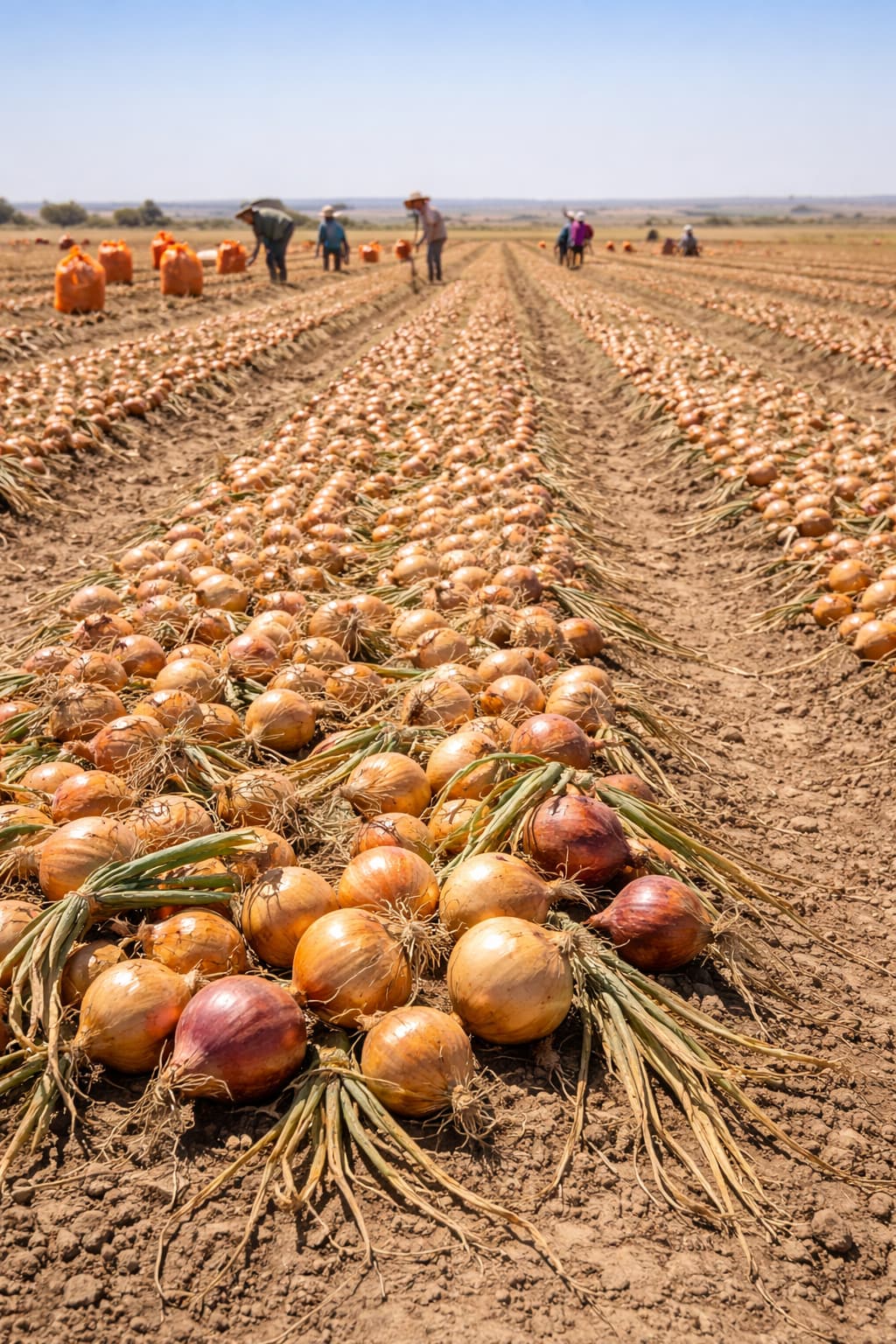
| 🧅 Onions | Apr–Jun | Mar–May | 150–180 days | 25–50 |
| 🫑 Sweet Peppers | Sep–Nov | Jan–Mar (tunnel) | 80–100 days | 20–35 |
| 🎃 Butternut | Oct–Dec | Oct–Dec | 90–110 days | 20–30 |
| 🥕 Carrots | Apr–Jul | Apr–Jul | 90–120 days | 25–40 |
| 🥦 Broccoli | Mar–May | Mar–May | 80–100 days | 8–15 |
| 🫚 Green Beans | Oct–Jan | Oct–Jan | 55–65 days | 8–12 |
Irrigation for Vegetables
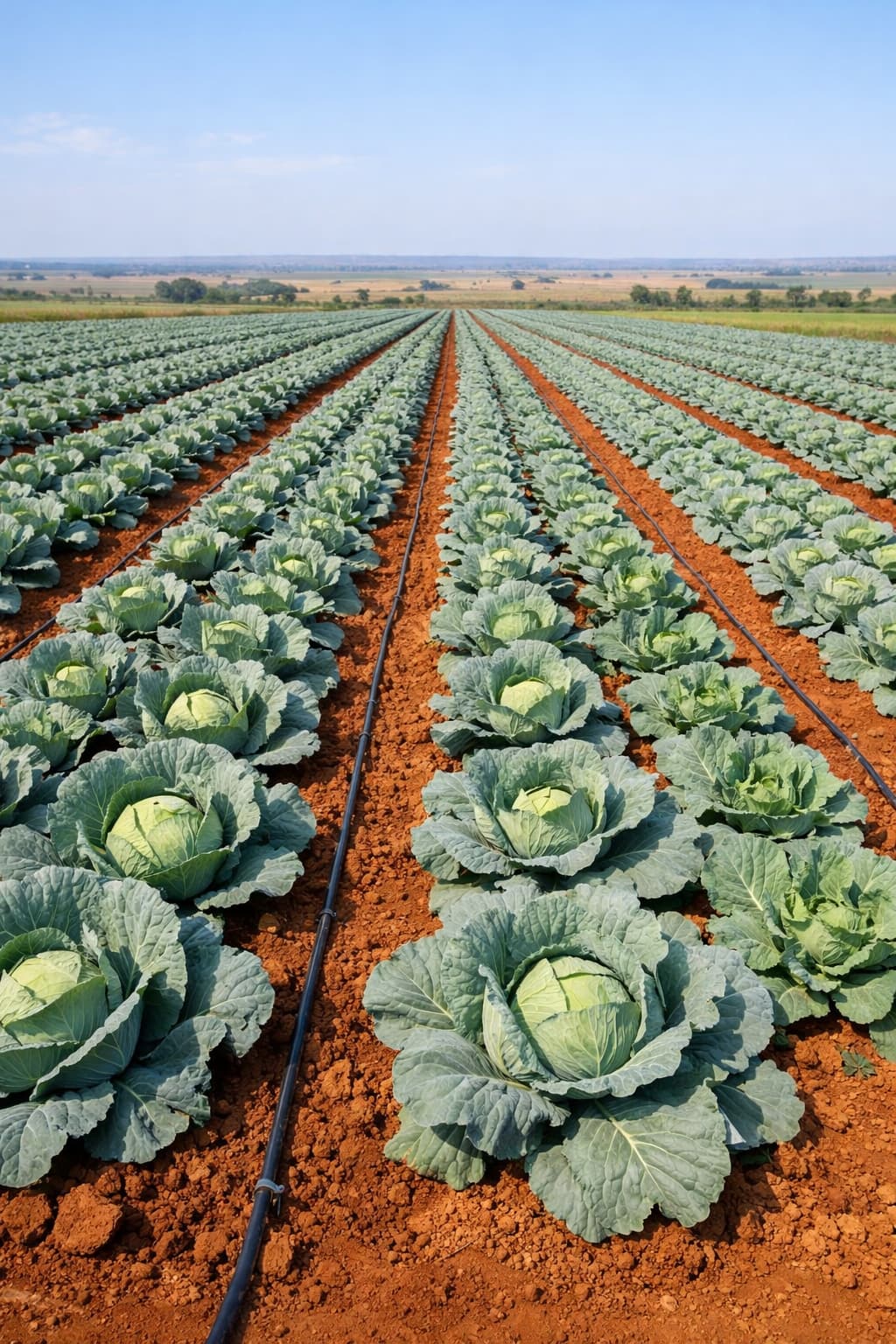
Vegetables are high-water-demand crops. Most vegetable production in South Africa relies on supplementary or full irrigation. Drip irrigation is the most efficient system for vegetable production, it applies water directly to the root zone, reduces disease pressure from wet leaves, and uses up to 50% less water than overhead sprinklers.
Water Requirements by Crop
- Tomatoes: 400–600mm per season. Critical periods: fruit set and sizing. Irregular water = BER and cracking.
- Spinach: 300–400mm per season. Keep evenly moist; stress causes bolting (premature seed head).
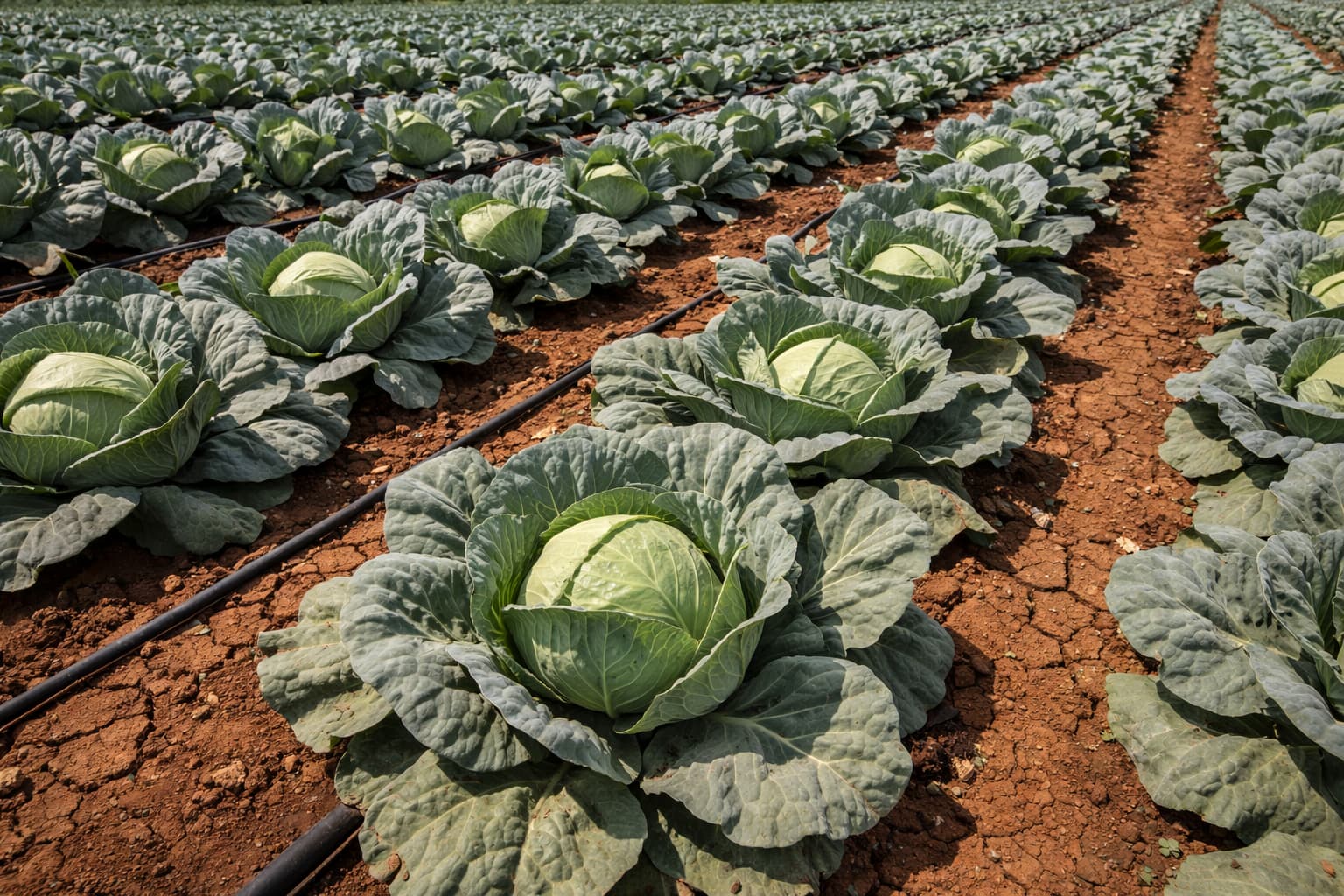
- Cabbage: 350–500mm per season. Water stress during heading causes split or loose heads.
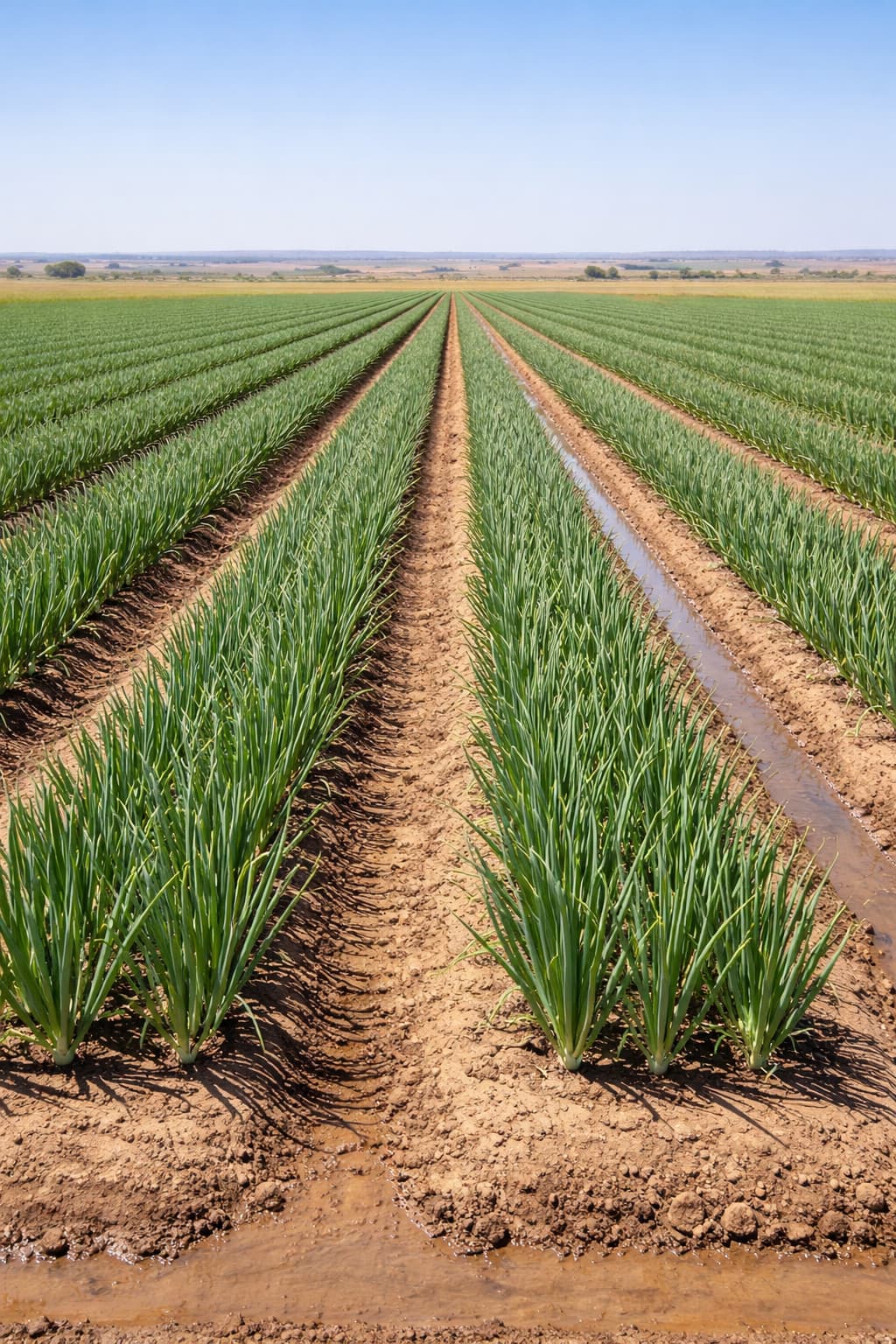
- Onions: 350–450mm per season. Stop irrigation 3 weeks before harvest to promote skin curing.
- Peppers: 400–500mm per season. Sensitive to water stress at flowering, causes flower and fruit drop.
💧 SA Water Saving Tip: In water-scarce provinces like the Northern Cape, Limpopo and North West, consider raised beds with heavy mulching (straw or black plastic) to reduce evaporation by up to 40%. Mulching also suppresses weeds and keeps soil temperatures stable.