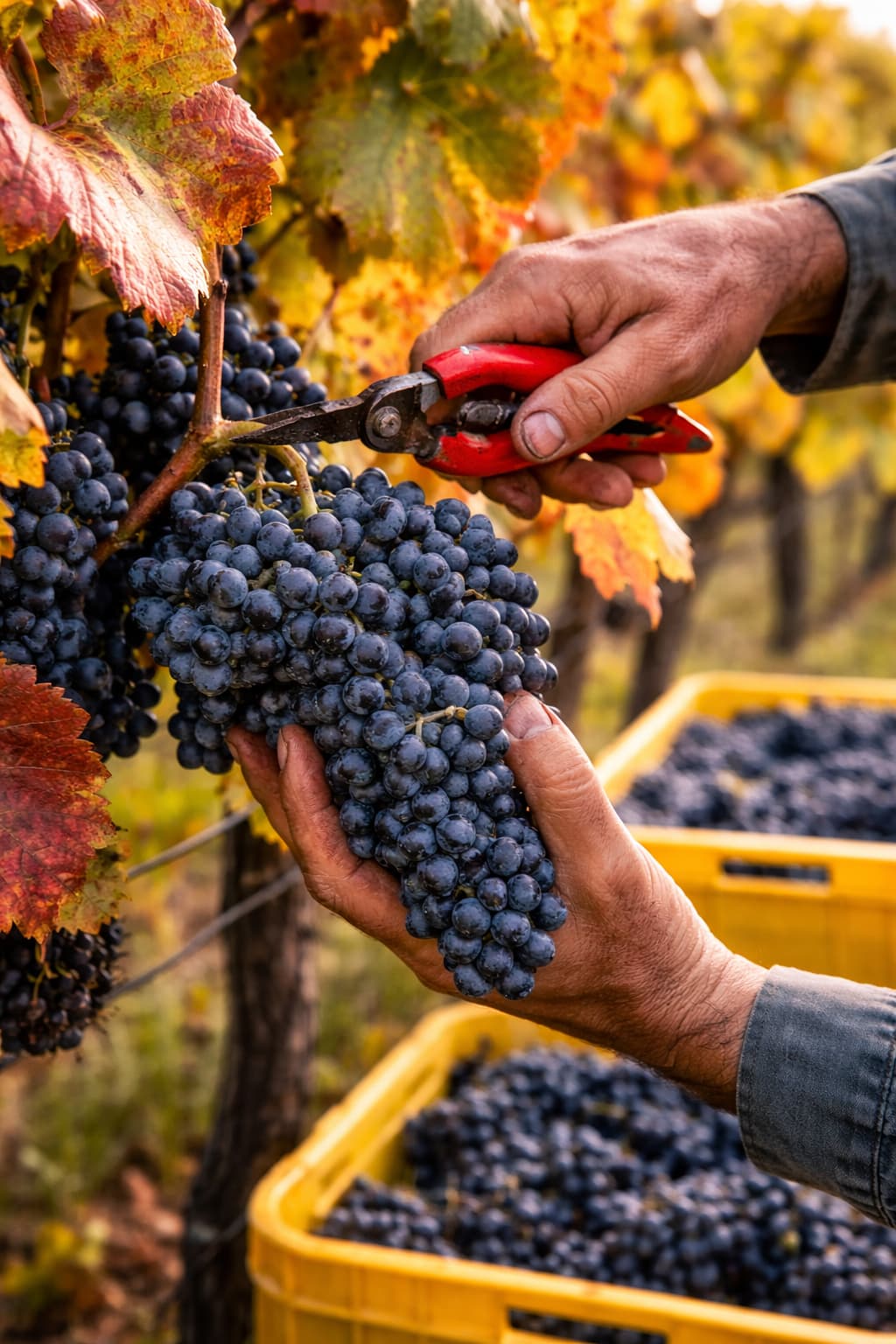
South Africa's World-Class Wine & Grape Sector
South Africa has a long-established wine industry centred mainly in the Western Cape. Stellenbosch, Paarl, Franschhoek, the Swartland and the Breede River Valley have different soils, rainfall patterns and temperature profiles, which is one reason variety and site selection matter so much. The country's wine sector includes large producers, cooperatives and smaller estates, while table grapes are produced in a different set of regions and supply chains.
Viticulture includes both wine and table grapes, and the production systems are not interchangeable. Table grapes require cultivars, trellising, canopy management, harvest timing and packhouse standards aimed at fresh fruit. Wine grapes are managed around fruit composition, vineyard balance and the requirements of the intended cellar or buyer. The Orange River is an important table-grape region, while wine production is concentrated mainly in the Western Cape.
Before establishing a vineyard, growers need a site assessment, soil profile, water plan, cultivar choice, trellis design and a realistic establishment budget. Existing wine or table-grape growers should also account for pruning labour, disease monitoring, irrigation, harvest logistics and the buyer's specifications. The pages linked below focus on those production decisions rather than treating grapes as a single crop.
Different Cape districts favour different varieties and wine styles. Stellenbosch is well known for Cabernet Sauvignon and other Bordeaux varieties, while Chenin Blanc has a long history in the Swartland and other parts of the Cape. Pinotage is a South African-developed variety created from Pinot Noir and Cinsaut. These examples illustrate why variety choice should follow the site's climate, soil, water and intended market rather than a simple list of popular cultivars.
Vineyard establishment is capital intensive because growers pay for land preparation, plants, trellising, irrigation and labour before the vineyard reaches full production. Costs vary substantially with site conditions and the production system, so a single per-hectare figure can be misleading. Emerging growers should price the full establishment period and secure a market or cellar relationship before committing to a large planting.
Wine can be sold through domestic wholesalers, cellar-door channels, restaurants, tourism businesses and export markets. The best route depends on scale, brand, certification, cellar access and the buyer's requirements. Smaller producers may benefit from direct sales and tourism, while larger producers often rely on established distribution and export relationships. A vineyard business plan should model these channels separately instead of assuming that a higher retail price becomes the farmer's net return.