Sheep Farming in South Africa, A Cornerstone of the Country's Agricultural Heritage and Economy
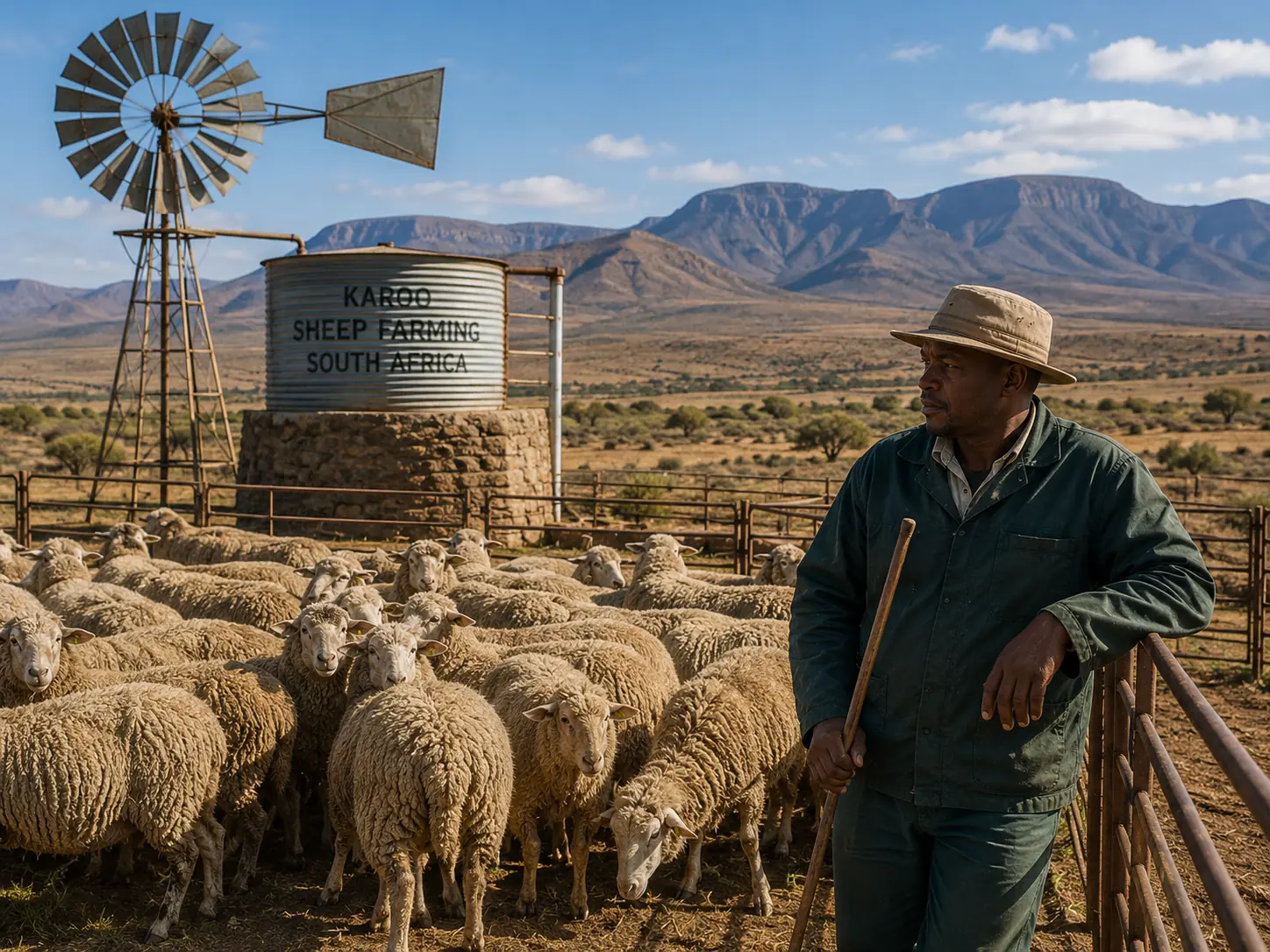
Sheep farming is among the most deeply rooted agricultural enterprises in South Africa. The country carries approximately 22–25 million sheep (one of the largest national flocks on the African continent) spread across an enormous range of environments, from the arid Karoo and Namaqua semi-desert, to the high-rainfall grasslands of the Eastern Cape and Free State, the moist temperate zones of the Western Cape, and the frost-free subtropical bushveld of Limpopo and Mpumalanga. This geographic diversity means that sheep farming in South Africa is not a single enterprise but a wide spectrum of production systems, breeds, markets, and management approaches.
At its broadest, South African sheep farming divides into two main streams: wool production, dominated by the Merino breed and concentrated in the Eastern Cape, Karoo, and parts of the Western Cape and Free State; and mutton and lamb production, dominated by the Dorper and its crosses, spread across virtually every province. Many operations pursue both simultaneously, dual-purpose flocks producing both wool income and slaughter animals. Understanding which production system and breed best matches your land, climate, available labour, and market access is the fundamental strategic decision in setting up a sheep farming enterprise.
South African sheep products enjoy strong domestic and export market demand. South African wool is internationally regarded as some of the finest in the world, Cape Merino wool is a benchmark quality standard in global textile markets. South African lamb and mutton have a vibrant domestic market through fresh produce markets, abattoirs, butcheries, and a deeply embedded cultural tradition of sheep slaughter at family and community events across all communities.
🐑 Industry snapshot: South Africa's sheep industry generates over R5 billion in annual farm income. The country produces approximately 100,000–120,000 tonnes of mutton and lamb carcass weight per year, and 40,000–50,000 tonnes of greasy wool annually. The Eastern Cape is the country's primary wool province, while Limpopo, the Northern Cape, and the Free State dominate lamb and mutton slaughter volumes. Live sheep and carcass exports to sub-Saharan African markets are growing. SAMSA (South African Mutton and Sheep Association) and Cape Wools SA represent the two major industry sectors.
Best Sheep Breeds for South African Conditions
South Africa has developed several of its own high-quality sheep breeds, uniquely adapted to the country's demanding and diverse environments. Breed selection should be guided by your region's climate and rainfall, your target market (wool, mutton, or dual-purpose), your available grazing, and your management capacity.
| Breed | Type | Origin | Key SA Traits | Best Region |
|---|---|---|---|---|
| Dorper | Mutton | SA-developed (Dorset Horn × Black-headed Persian) | Exceptional adaptability to arid and semi-arid conditions. Hair sheep, no shearing required. Fast growth, good carcass conformation. Hardy, low maintenance. Most popular sheep breed in SA by numbers. | Northern Cape, Limpopo, Free State, Karoo, virtually everywhere |
| White Dorper | Mutton | SA-developed (all-white variant) | Same traits as Dorper. Highly popular for export markets that prefer unpigmented skin. Strong international demand. | Same as Dorper, strong export preference |
| Merino | Wool / dual-purpose | Spain via Australia, SA-adapted | World-class fine wool (18–24 micron). Well-adapted to Karoo and Eastern Cape conditions. Moderate mutton value. Multiple sub-types including SA Mutton Merino (larger, heavier carcass). | Eastern Cape, Karoo, Western Cape, Free State highveld |
| SA Mutton Merino | Dual-purpose (wool + mutton) | SA-developed | Larger frame than fine wool Merino. Good carcass weight at slaughter. Wool slightly coarser (22–26 micron) but good volume. Ideal dual-income flock. | Eastern Cape, Free State, Western Cape |
| Dohne Merino | Dual-purpose | SA-developed (Merino × Peppin Merino) | Strong wool (20–24 micron) with good mutton characteristics. Excellent adaptability. Significant following in Eastern Cape, KZN, and Free State. | Eastern Cape, KZN, Free State |
| Van Rooy | Mutton / fat-tailed | SA-developed | Fat-tail deposit, excellent drought tolerance, very well adapted to arid Northern Cape and Karoo. Valued for traditional and cultural slaughter markets. | Northern Cape, arid Karoo |
| Blackhead Persian | Mutton / fat-tailed | Somalia via SA | Extreme drought hardiness. Small, efficient body. Important component of Dorper cross heritage. Cultural significance in many communities. | Northern Cape, arid regions |
For farmers entering sheep farming for the first time, the Dorper or White Dorper is overwhelmingly recommended. It is the most adaptable, lowest-maintenance commercial sheep breed in South Africa, requires no shearing, and has deep, liquid markets through abattoirs and live animal auctions across all provinces. For farmers in the Eastern Cape, Karoo, or Western Cape with good-quality grazing who want a wool income, the Merino or SA Mutton Merino offers dual-revenue potential but requires higher management inputs including annual shearing, regular footrot checks, and more intensive parasite management in wetter areas.
Grazing Management and Stocking Rates in South Africa
The single most common cause of farm degradation and financial failure in South African sheep farming is overgrazing, carrying more animals than the veld can sustainably support. South Africa's commercial sheep farms vary enormously in carrying capacity, from 1 small stock unit (SSU) per 1–2 hectares in high-rainfall Eastern Cape grasslands, to 1 SSU per 15–25 hectares in the arid Namaqua Karoo and Northern Cape. Knowing and respecting your land's carrying capacity is the foundation of sustainable sheep farming.
Key grazing management principles for South African sheep farmers:
- Rotational grazing: Divide your grazing land into camps (paddocks) and rotate flocks through them on a planned schedule, allowing sufficient rest periods for veld recovery. The number of camps and rotation frequency depends on rainfall, veld type, and stocking rate. See our land management guide for rotational grazing camp planning tools.
- Know your stocking rate: Contact your provincial Department of Agriculture for the recommended stocking rate (small stock units per hectare) for your specific district and veld type. Overstocking by even 20% for extended periods causes long-term veld degradation that takes years to recover.
- Monitor veld condition: Regularly assess your grazing land using a simple veld condition score, looking at species composition, ground cover percentage, and indicator plants. Deteriorating veld condition is a signal to reduce stock numbers or improve rest periods, not to add supplementary feed indefinitely.
- Water infrastructure: Sheep must have access to clean water at all times. In extensive Karoo operations, windmills, boreholes, and earth dams supply water to drinking troughs across multiple camps. Sheep typically drink 1.5–4 litres per day depending on temperature and feed moisture content. Lactating ewes and sheep on dry winter veld have higher water requirements.
Sheep Breeding and Reproduction Management
Efficient reproduction is the financial engine of a sheep enterprise, more lambs weaned per ewe per year directly translates to more income. Key reproductive parameters for South African sheep breeds:
Ram Selection and Joining (Mating Season)
Most South African sheep breeds are seasonal breeders, ewes come into oestrus (heat) as day length shortens in late summer and autumn (March–June in most regions). The Dorper is more year-round in its breeding behaviour than Merinos. The standard joining ratio is 1 ram per 30–50 ewes for 5–6 weeks. Introduce rams to ewes in good body condition (BCS 3.0–3.5 on a 1–5 scale), thin ewes have lower conception rates. Mark rams with raddle paint (colour applied to the brisket) to track which ewes have been mated and identify repeat breeders (indicates failure to conceive). Contact a registered stud breeder to source rams with EBV (Estimated Breeding Values) data for improved genetic progress in your flock.
Pregnancy and Ewe Management (Gestation: ~150 days)
Sheep gestation is 147–152 days (approximately 5 months). Maintain ewes in good but not over-fat condition during early-mid pregnancy. In the final 6 weeks of pregnancy, the foetus grows rapidly and the ewe's nutritional requirements increase sharply. This is when supplementary feeding (licks, grain, or protein supplements) may be required, particularly on dry winter veld. Poor nutrition in late pregnancy causes pregnancy toxaemia (twin lamb disease), a fatal metabolic disorder that kills ewes, particularly those carrying multiple lambs. Monitor body condition carefully at all stages.
Lambing and Lamb Care
Lambing is the most labour-intensive and critical phase of the sheep calendar. Ensure ewes have access to shelter and calm, clean lambing areas away from predators and disturbance. The first 24 hours of a lamb's life are critical, it must receive adequate colostrum (first milk) from the ewe within 6 hours of birth. Assist dystocia (difficult births) promptly but gently. Ear tag all lambs at birth for identification. Lamb losses in South Africa average 10–20% nationally, targets on well-managed farms should be below 8%. Primary causes of lamb mortality are hypothermia (cold/wet weather), starvation (inadequate colostrum or milk), predation (jackals, caracal, black-backed jackal), and birth defects.
Weaning and Post-Weaning Management
Wean lambs at 3–4 months of age (earlier in good veld conditions where ewes are losing body condition rapidly). Separate ewes and lambs and move them out of earshot of each other for the first 48 hours. Castrate ram lambs not intended for breeding at weaning. Tail-dock lambs of wool breeds (Merino, Dohne) at 1–2 weeks old to reduce flystrike risk. Deworm all sheep at weaning. This is a high-risk period for internal parasites. Drench carefully using the correct dose based on liveweight, and rotate anthelmintic groups to manage resistance. See our guidance on internal parasite management below.
Wool Production, South Africa's Fine Fibre Industry
If you farm Merino or SA Mutton Merino sheep, wool is a significant annual income stream. South African Merino wool is sold at the Port Elizabeth wool auctions (the primary wool trading centre in sub-Saharan Africa), the Cape Wools SA auction system, and through direct buyer relationships with wool brokers and exporters. Understanding wool quality, preparation, and marketing is essential to maximising your wool income.
Wool Quality Factors
- Fibre diameter (micron): The most important price determinant. Finer wool (lower micron) is more valuable. South African Merino wool ranges from 18–24 micron, with the finest clips (below 20 micron) commanding the highest premiums. Genetics, nutrition, and animal health all influence fibre diameter.
- Staple length: The length of fibre growth between shearings (typically 12 months). Target staple length of 70–90mm for most processing requirements.
- Vegetable matter (VM): Seeds, burrs, and plant material contaminating the fleece dramatically reduce value and processing efficiency. Keep camps free of seedy grasses and burr-producing plants.
- Staple strength: Measure of fibre tensile strength, weak wool (caused by nutritional stress, illness, or pregnancy) breaks during processing. Avoid nutritional stress during pregnancy and lactation.
Shearing
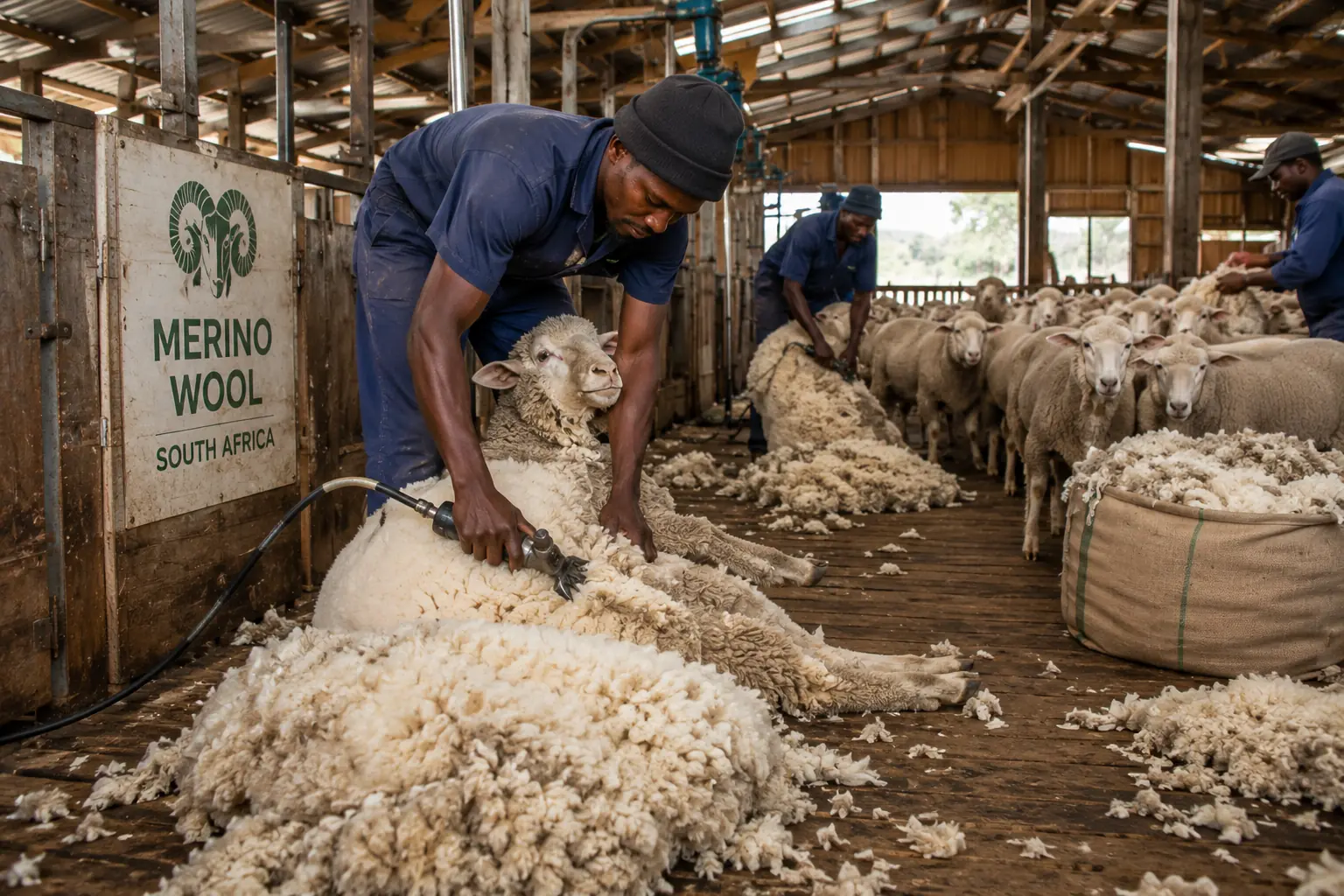
Merino sheep are shorn once per year (some operations shear twice), typically in spring (August–October) after the risk of severe cold snaps has passed, freshly shorn sheep are highly susceptible to cold stress and hypothermia. Use only registered, skilled shearers to avoid second cuts (short fibre pieces that contaminate the clip) and skin cuts. Sort fleeces on the skirting table, remove heavily soiled, stained, and edge pieces (skirtings) from the main fleece. Correctly prepare and press wool into standard 200kg wool bales using a mechanical wool press for auction submission.
Sheep Health Management and Common Diseases in South Africa
A proactive health programme prevents costly disease outbreaks and keeps your flock productive. Core health management priorities for South African sheep farmers:
Internal Parasites (Worms), The Number One Health Challenge
Gastrointestinal roundworms, particularly Haemonchus contortus (barber's pole worm), are the leading cause of production loss and death in South African sheep, especially in higher-rainfall regions. Haemonchus is a blood-sucking worm that causes anaemia, bottle jaw, and death in heavily infested sheep. Management requires:
- The FAMACHA© system, a scoring system that assesses the colour of the lower eyelid mucous membrane to estimate anaemia level and identify individual animals requiring drenching. Only drench animals with FAMACHA scores of 3–5, not the entire flock. This targeted selective treatment (TST) approach significantly slows the development of anthelmintic resistance.
- Anthelmintic rotation, rotate between different drench groups (Benzimidazoles, Levamisole, Macrocyclic lactones, Amino-acetonitrile derivatives) to manage resistance. Test for resistance regularly using faecal egg count reduction tests (FECRT).
- Leave 10–20% of the flock undrenched (refugia) at each treatment to maintain a susceptible worm population in the environment, slowing resistance development.
Bluetongue
Viral disease transmitted by Culicoides midges. Causes facial swelling, lameness, and death particularly in Merino and exotic breeds. Vaccination is the primary management tool, vaccinate annually with the polyvalent live vaccine before midge season (typically late summer). Annual vaccination is particularly important in the Cape winelands, Garden Route, and KZN where bluetongue is endemic.
Pulpy Kidney (Enterotoxaemia) and Other Clostridial Diseases
Rapidly fatal disease caused by Clostridium perfringens Type D toxin, typically triggered by sudden changes to lush pasture or high-grain feeding. Vaccinate with a multi-clostridial vaccine (covering Types C, D, and tetanus at minimum), vaccinate ewes 4–6 weeks before lambing to pass immunity to lambs via colostrum, and vaccinate lambs at marking and weaning.
Footrot and Foot Scald
Bacterial infection causing lameness, particularly in wetter regions and during wet seasons. Regular foot inspection, foot bathing in zinc sulphate or copper sulphate solution, and culling of chronically affected animals are the primary management tools. Footrot-free flocks in dry Karoo conditions have low incidence; Eastern Cape and KZN farms in high-rainfall areas can experience significant economic losses from this disease.
Predator Management
Predation, by black-backed jackals (Canis mesomelas), caracal (Caracal caracal), and in some areas leopard and brown hyena, is one of the biggest financial challenges in South African sheep farming, particularly in the Karoo and arid regions. Management approaches include: livestock guardian dogs (LGDs, Anatolian Shepherds and similar breeds are widely used and effective on SA farms); protective kraaling (penning sheep at night); electrified jackal-proof game fencing (expensive but effective); and intensive lambing area management.
Lamb / Mutton Price
A-grade lamb carcass at registered SA abattoir
R50–R75/kgFine Merino Wool Price
21-micron Cape Merino at Port Elizabeth auction
R100–R200/kg greasyLamb Weaning Rate (Target)
Well-managed commercial flock annual target
100–130% of ewesSupplementary Feeding for Sheep in South Africa
In most extensive South African sheep farming systems, veld (natural grazing) provides the bulk of nutrition year-round. Supplementary feeding is used strategically during periods of nutritional shortfall, typically the dry winter months when veld quality drops dramatically, and in late pregnancy and lactation when nutritional demands peak. Common supplementary feed options used on South African sheep farms include:
- Protein licks: High-protein (typically 30–40% natural protein) lick blocks or loose licks containing urea, fish meal, or plant protein, placed in lick troughs in the veld. Particularly valuable in winter when veld protein content is low. Available from Voermol, Molatek, Beefmaster, and other SA lick manufacturers.
- Energy licks: Molasses-based licks providing energy during dry periods. Prevents production losses when veld is dormant but not depleted.
- Maize and grain: Hand-fed or self-fed grain (typically maize, wheat, or barley) for intensive finishing of lambs before slaughter. See our maize farming guide for on-farm grain production options.
- Hay and roughage: Lucerne hay or grass hay fed during drought or in lambing paddocks to supplement ewes in late pregnancy and early lactation.
Selling Sheep and Wool in South Africa
- Registered abattoirs: Slaughter animals (A- and AB-grade lambs, B-grade mutton) sold to registered abattoirs through direct delivery or via livestock agents. SAMSA and RPO (Red Meat Producers Organisation) publish weekly benchmark prices. Contact your nearest livestock agent or the RPO for a list of registered abattoirs and current price grids.
- Livestock auctions: Weekly livestock auctions are held across all provinces at major agricultural auction centres (BKB, Vleissentraal, NWK, TWK, and others). Breeding stock, weaners, and slaughter sheep are traded through these channels. Prices are transparent and competitive.
- Direct sales: Live sheep sales to community members, butcheries, and individuals for home or cultural slaughter. Common and financially attractive, direct sale prices often exceed abattoir prices, especially during peak demand periods (year-end, Eid ul-Adha, and harvest celebrations).
- Wool auctions: Merino wool sold through Cape Wools SA's auction system at Port Elizabeth via registered wool brokers (BKB Wool, Laserbok, and others). Prepare and classify wool correctly, clip preparation quality directly affects your price. Contact Cape Wools SA for registered brokers and auction schedules.
- Export: Live sheep and frozen mutton/lamb are exported to neighbouring SADC countries and into East and West African markets. Growing demand from North Africa and the Middle East for whole carcasses and live animals exists, contact the export farming guide for PPECB and export compliance requirements.