Grafting and Planting Lychee Trees in South Africa: What It Actually Takes This post contains affiliate links. I may earn a small commission at no extra cost to…
This post contains affiliate links. I may earn a small commission at no extra cost to you.
Grafted saplings in nursery bags, the soil mix before anything goes into the ground, a mature tree at the end already fruiting — that's the process below, start to finish. If you're thinking about starting a few lychee trees, this is roughly what it looks like week to week, along with the background worth knowing before you commit to it.
Why we graft instead of planting seed
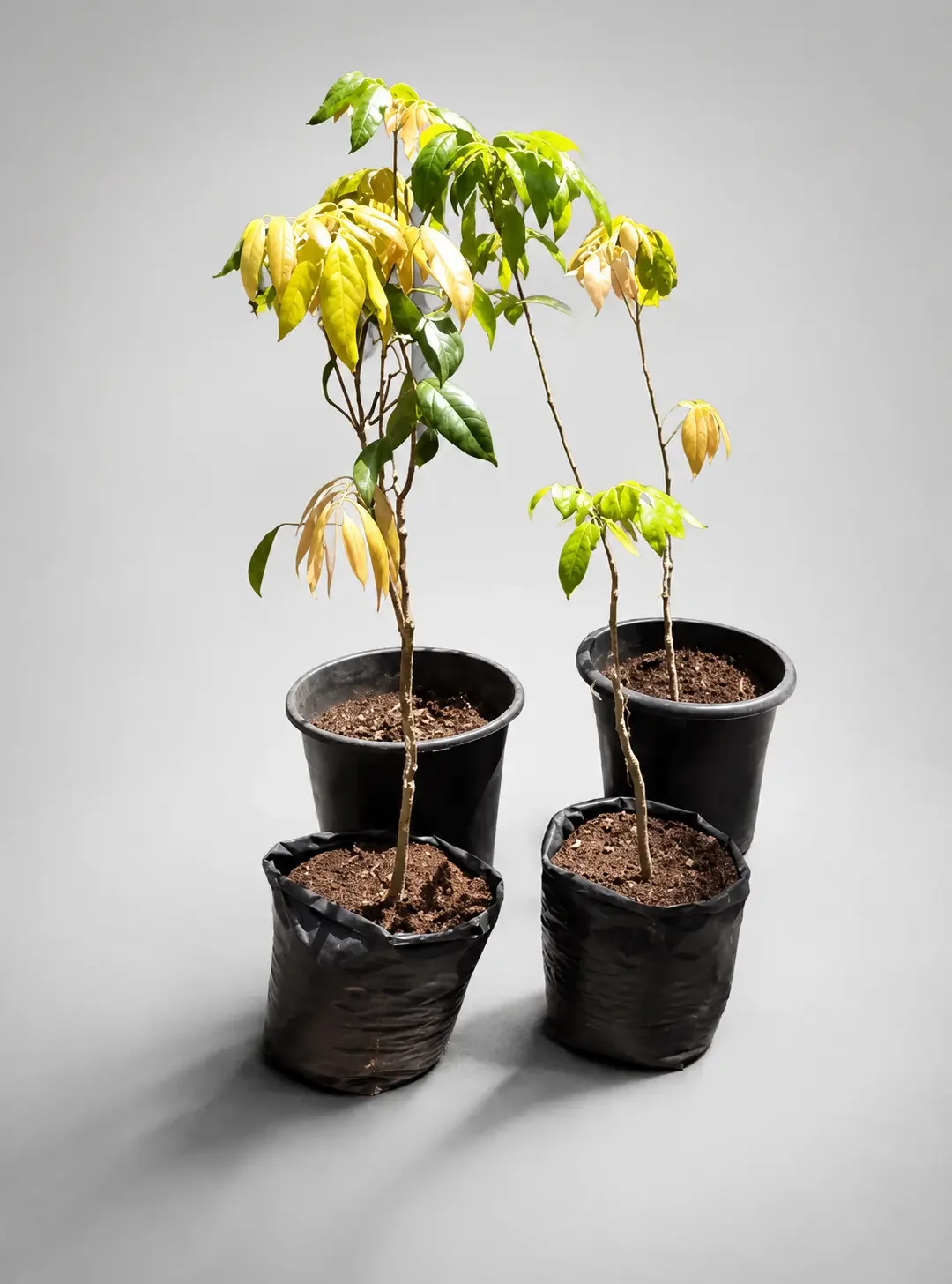
Every sapling lined up in black nursery bags in the video is grafted, not grown from seed. Seed trees are a genetic lottery — fruit size, sweetness, even how big the tree eventually gets, none of it is known until years later, and by then you've already put years of water, land, and labour into a tree that might not be worth harvesting. A grafted sapling carries the parent tree's exact traits and fruits sooner, often within two to three years instead of the six to eight years a seedling can take to reach full production.
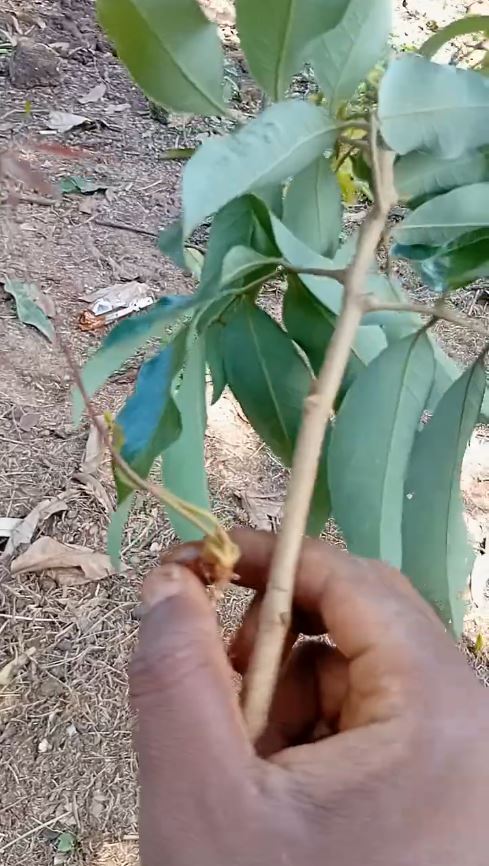
You can see the grafting union on a few of the saplings in the footage — the join between the scion (a one-year-old branch cut from the variety we actually want) and the rootstock underneath it. Both cuts are made at a matching slant so the cambium layers, the thin living tissue just under the bark, line up as closely as possible. The join gets wrapped in grafting tape to seal it while it heals, which usually comes off after three to four weeks once the union has taken. It's a technique any smallholder can learn, though a high success rate takes practice — it's also why a lot of commercial growers in Mpumalanga and Limpopo buy grafted stock from established nurseries rather than grafting their own, to skip the season it costs to get good at it.
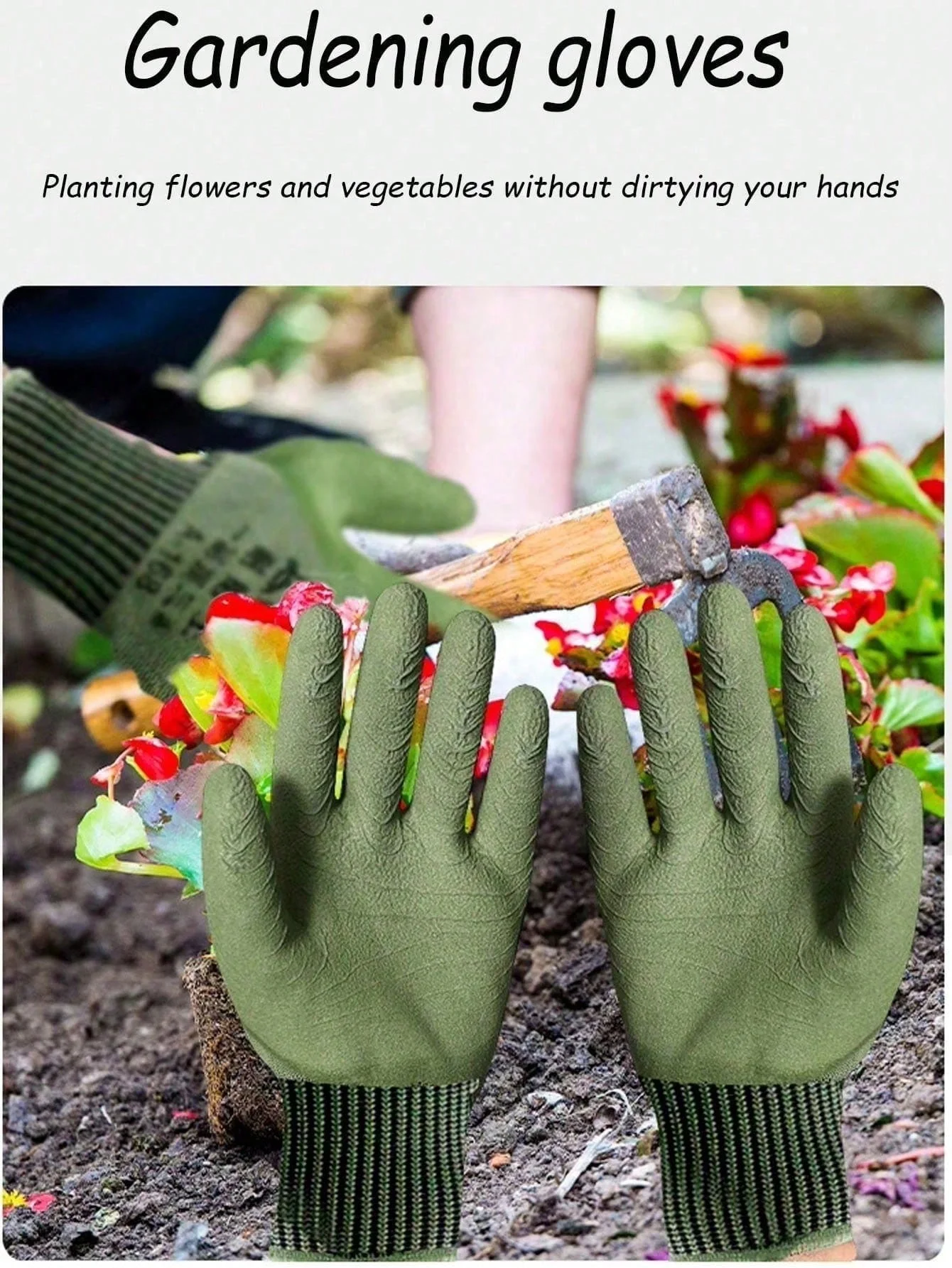
Handling grafted stock takes longer than it looks on camera. The join is still healing on younger plants, and checking dozens of bags means a lot of bending, digging into soil, and moving bags without disturbing the roots. We wear gardening gloves through all of it — the bag edges and rough soil chew up bare hands faster than you'd think.
R12 at shein
Why the soil mix matters where we are
The second half of the video is soil prep — digging up the red clay-heavy soil on site and mixing in a lighter amendment before anything goes near a root ball. Straight clay holds too much water after rain and bakes hard in the dry stretches between waterings. Lychee roots don't handle either extreme well, so mixing in a coarser, free-draining material lets water move through instead of pooling around the roots.
This lines up with why lychees only really work in specific parts of the country to begin with. The trees need well-drained, slightly acidic soil combined with long hot summers and reliable humidity, which is why South Africa's lychee industry sits almost entirely in the Mpumalanga Lowveld and pockets of Limpopo like Tzaneen, Levubu, and Louis Trichardt. Around 60% of the country's total lychee crop comes out of the Mpumalanga Lowveld alone, with Limpopo making up most of the rest. Get the soil and the region wrong and you're fighting the tree's basic requirements the entire time you own it.
We do the amendment mix for every hole, not just once at planting. Dig it out, work the amendment through by hand until the texture changes, then backfill around the root ball instead of dropping the sapling straight into unmixed clay. It's slower, but fixing drainage on a tree that's already in the ground is a lot more work than getting it right the first time. Mulching around the base afterward helps hold moisture between waterings, which is standard practice on most commercial blocks.
Spacing and the timeline you're actually signing up for
The standard commercial spacing in South Africa is 12 x 12m, working out to around 64 trees per hectare. Some growers plant tighter — around 6 x 6m — and then remove half the trees once the canopy starts crowding, usually by year 15. Either way, a mature lychee canopy spreads wide, and trees planted too close cut down airflow and raise disease pressure later.
Spacing (standard)
12 x 12m
Spacing (dense, thinned later)
~6 x 6m, thinned by year 15
Trees per hectare
~64 at standard spacing
First real harvest
2–3 years (grafted)
Full production
6–8 years
The timeline is the part that catches people off guard. Even a grafted tree like the ones going into the ground in the video takes two to three years before its first real harvest, and doesn't hit full production until somewhere around year six to eight. That's a long stretch of watering, fertilising, and pest management before a single tree earns its keep, which is really the whole argument for grafting in the first place — it shortens that wait, but it doesn't remove it.
Getting water to the roots once it's planted
Once a sapling's in the ground, it needs deep watering two to three times a week while it's establishing — not a light daily sprinkle. The general guideline is getting moisture down 15 to 25cm into the soil, with soil moisture staying above roughly 50% through the main growing season. Shallow, frequent watering keeps roots near the surface, and those roots struggle once the tree has to get through hot, dry stretches on its own. Irregular watering during the fruit-swelling stage is one of the more common ways a promising crop cracks or drops early, right before harvest.
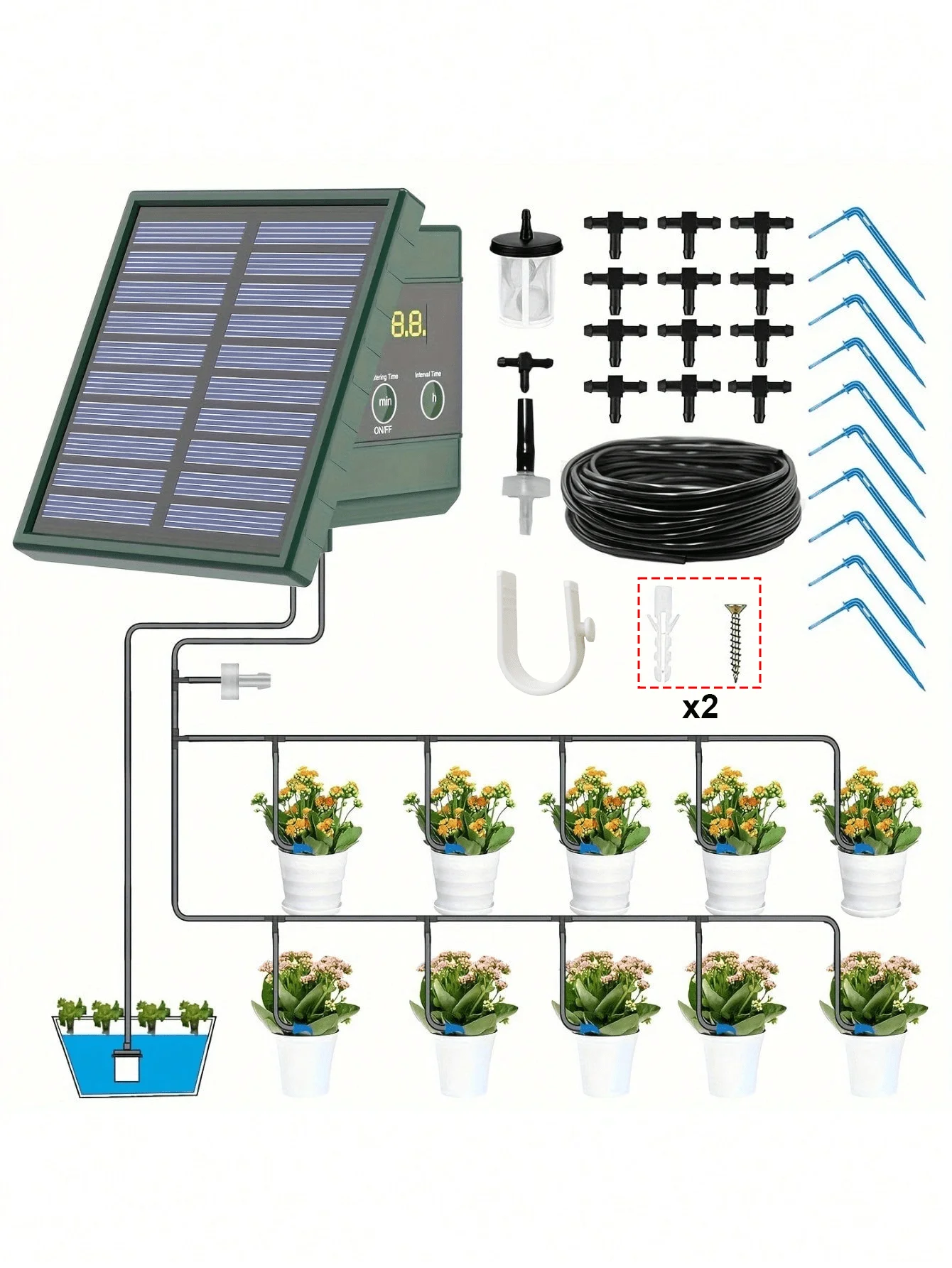
Standing over each sapling with a hose a few times a week doesn't hold up once you've got more than a handful of trees. We've moved most of the nursery onto a solar-powered drip irrigation system on a timer instead. It puts water at the root zone rather than losing it to evaporation, and it keeps watering going on the days nobody's around to do it by hand.
R375
Where this fits into the bigger picture
South Africa produces somewhere around 8,000 to 8,400 tonnes of lychees a year off roughly 1,100 to 1,130 hectares nationally — a small crop by most standards.
Metric
Figure
Annual production
8,000–8,400 tonnes
Land under lychee
1,100–1,130 ha
Sold locally
~50% (Johannesburg market and others)
Exported
4,000–4,800 tonnes (mainly UK, France, Germany)
Export price range
roughly R16 – R96 per kg, season-dependent
Export prices swing that hard because of what happens outside the farm — currency movements, shipping costs, and how Madagascar's crop performs that year, which has become serious competition on the export side.
The tree at the end of the video, full canopy with fruit visible through the leaves, started the same way the saplings did in the first half: a graft in a nursery bag, moved into properly mixed soil, watered on a consistent schedule for two-plus years before it carried anything worth harvesting. If you're starting your own trees, the South African Litchi Growers' Association (established 1987) is worth talking to before you buy a single grafted tree — getting the site, soil, and region right in year one matters more than almost anything that happens after the first graft goes into the ground.
We use essential browser storage to run this site, and — where you allow it —
advertising cookies (third-party ad networks), basic analytics, and affiliate tracking
cookies used when you follow a product link to a retailer (so that retailer can
credit us for the referral). See our
Cookie Policy for details.