Our Season in the Fields at Marite, Hazyview
This post contains affiliate links. We may earn a small commission at no extra cost to you.
We farm at Marite, just outside Hazyview in the Bushbuckridge Local Municipality, Mpumalanga — on the R40 route between Hazyview and Acornhoek, in the catchment of the Marite and Sabie Rivers, within sight of the Kruger Lowveld. Warm, subtropical, frost-free most of the year — the same belt that grows roughly a fifth of South Africa's bananas a few kilometres away in Hazyview, which is part of why cabbage and broccoli do so well here too.
The Crops: Cabbage, Broccoli and Chard
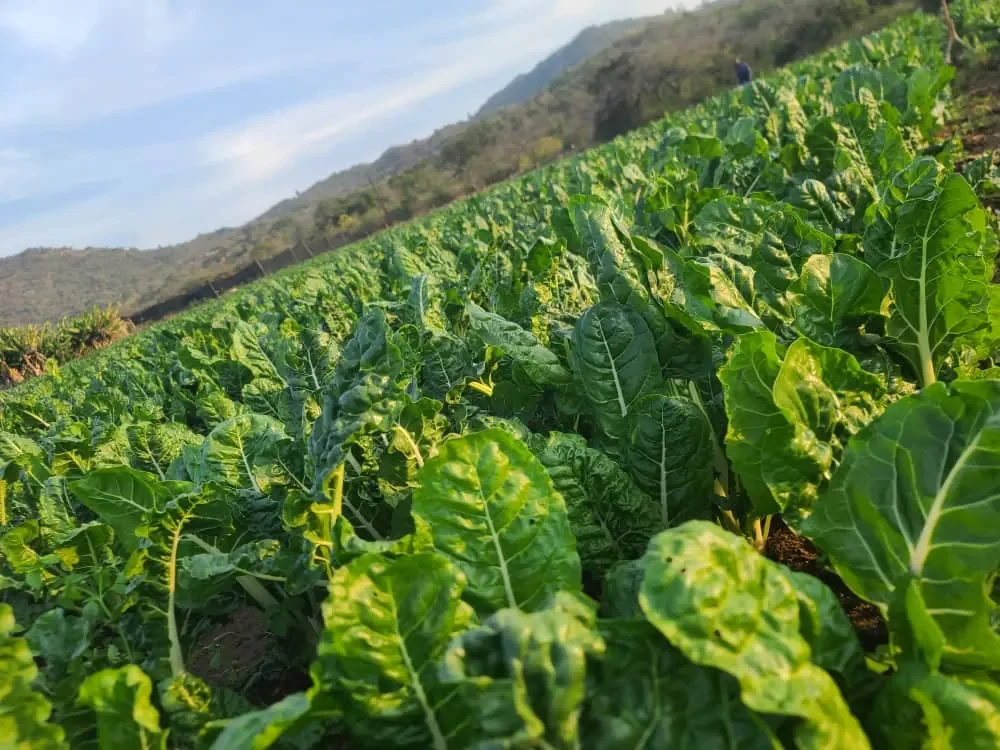
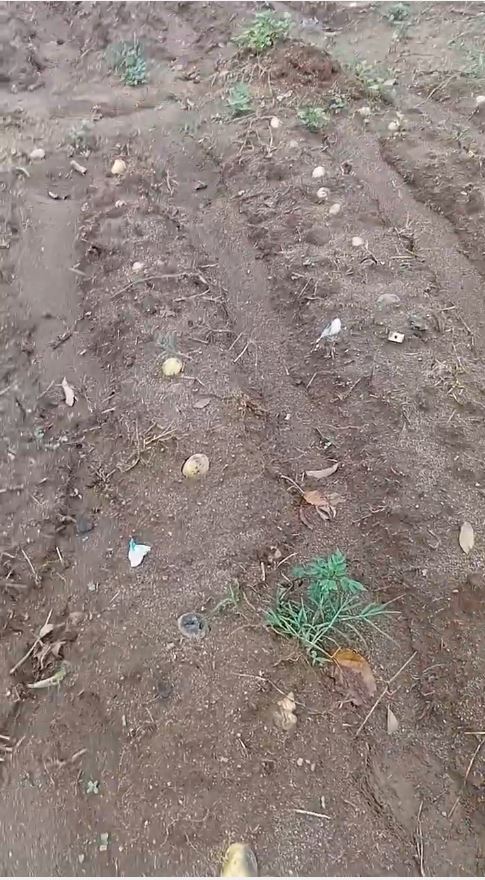
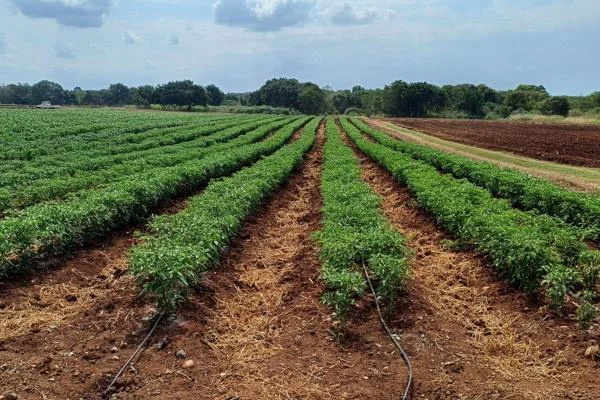
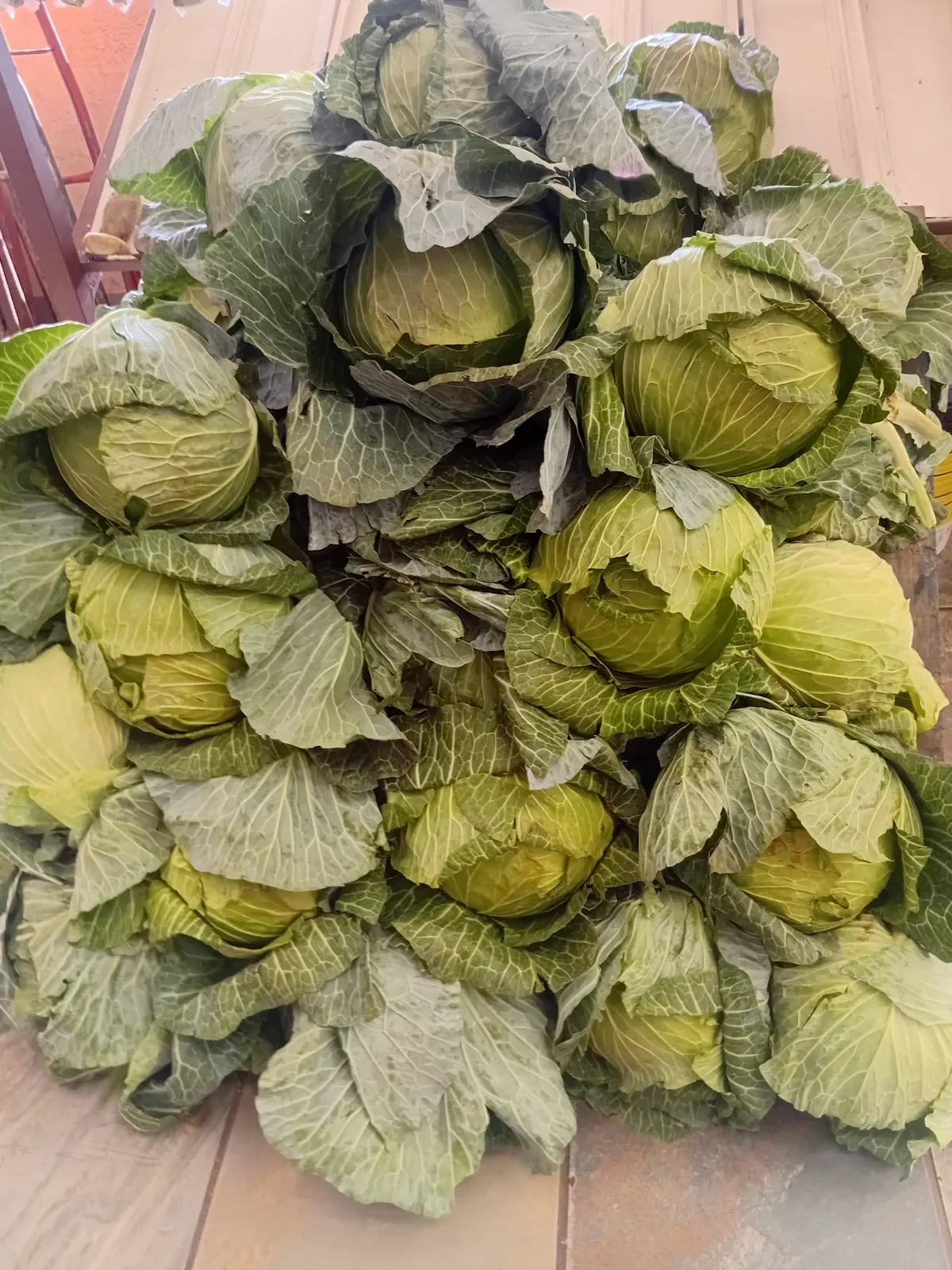
We run our plantings staggered rather than putting everything in at once. Cabbage and broccoli seedlings go in every 2–3 weeks through the season — that stagger is what turns one plot into a rolling supply instead of one crop that all matures and needs selling in the same week.
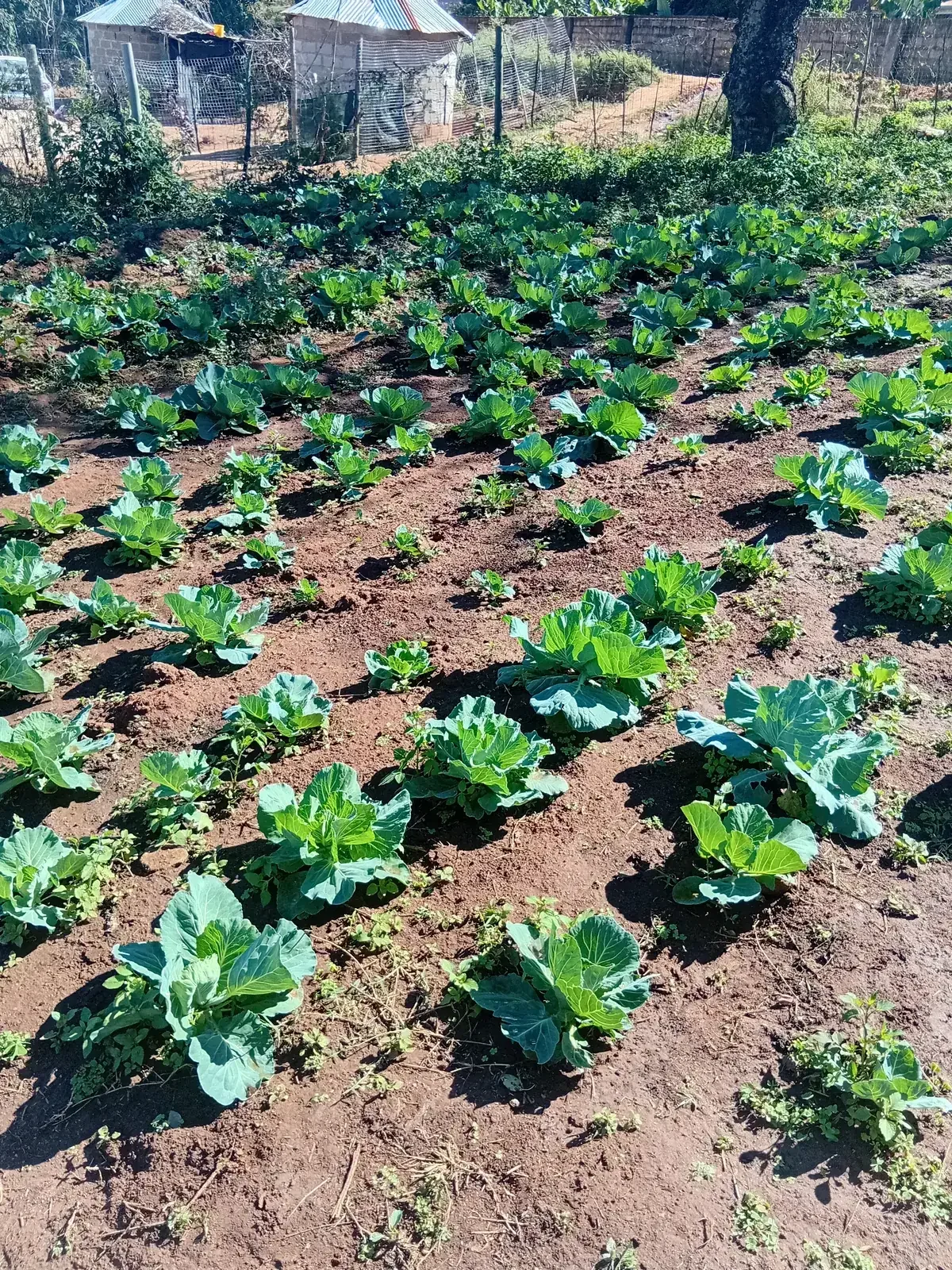
We transplant at 4–5 weeks old, spaced roughly 45–60cm apart depending on variety, straight into a block that's just been cleared, so the next planting is already in the ground before the last one is even cut.
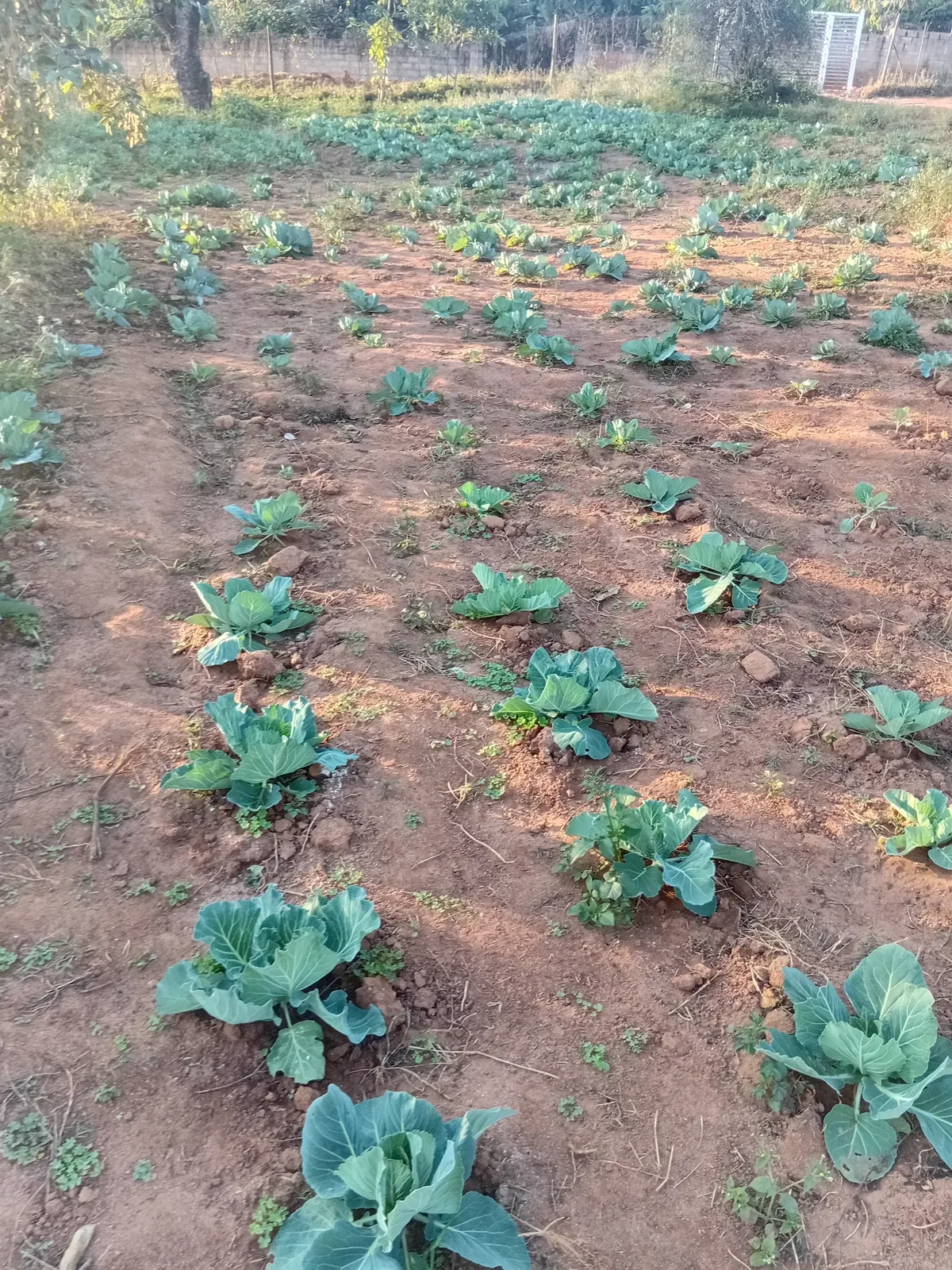
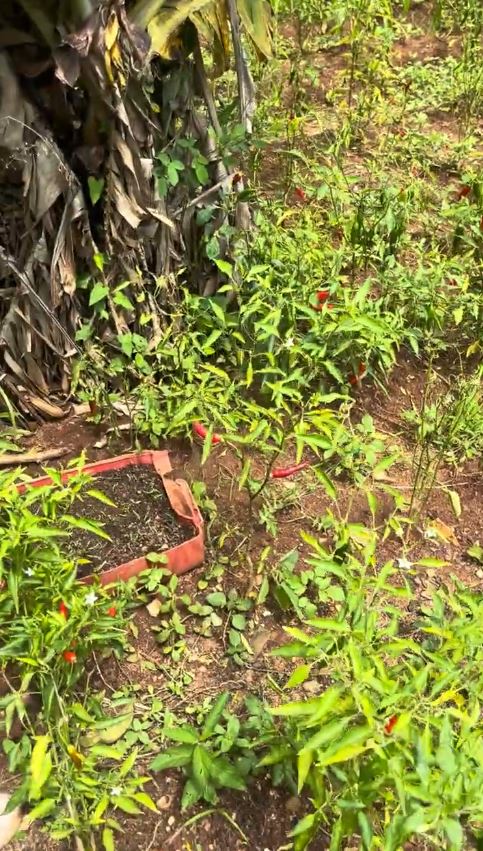
We intercrop with citrus and climbing beans along the border on purpose, not for looks — a taller, longer-cycle border crop doesn't compete for the same nutrients or water on the same schedule as what's growing in the middle of the block.
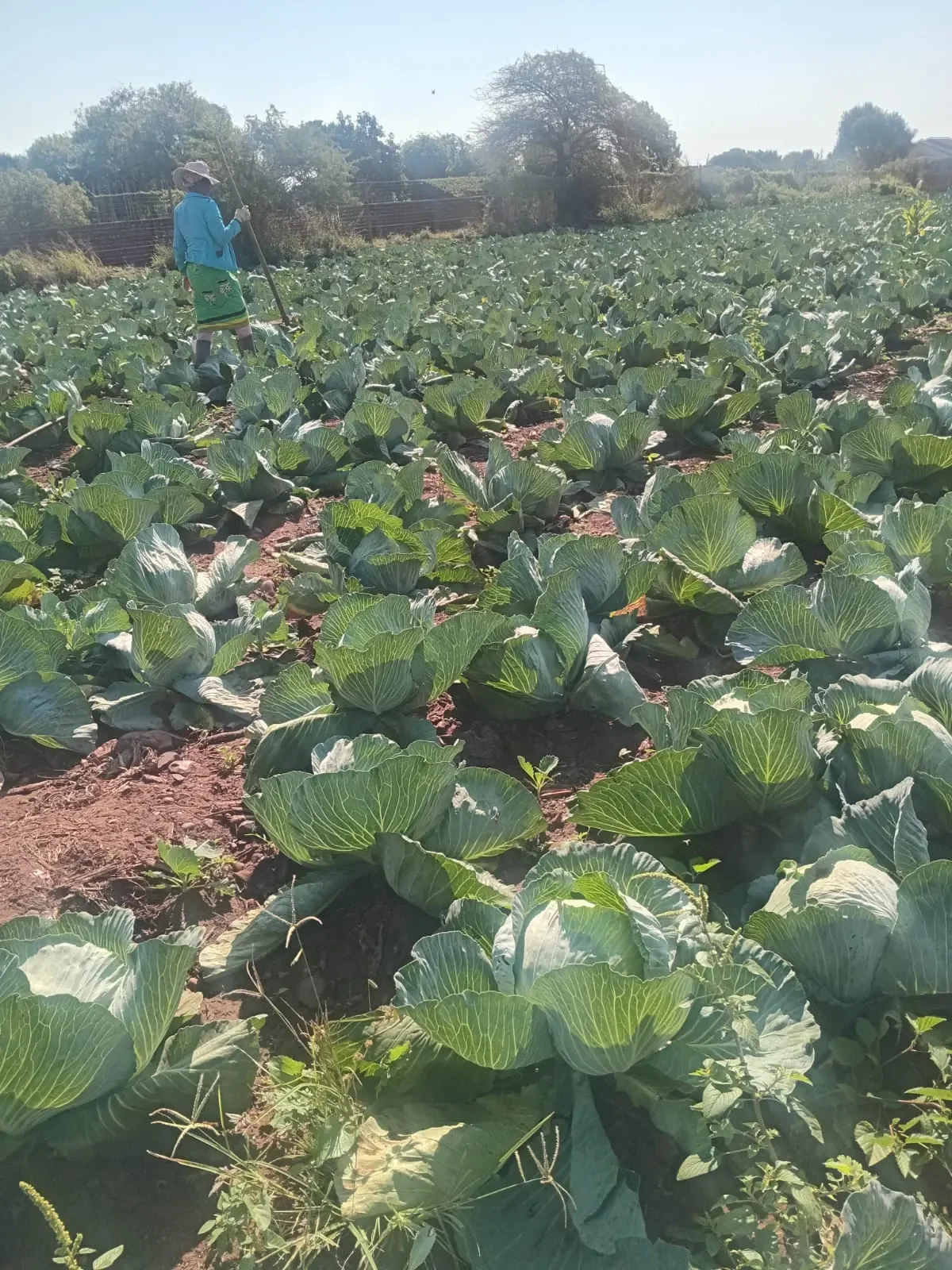
Once a block closes canopy — leaves from neighbouring plants touching — we're usually 4–8 weeks out from harvest, and both cabbage and broccoli firm up fastest with consistent watering through that stretch, not right at the end.
Chard stays on its own rotation on separate ground rather than folding in with the brassicas: shorter cycle, no shared pest pressure with cabbage moth or aphids, and it gives us something to sell in the gap weeks between cabbage and broccoli harvests.
Cutting and handling that many heads by hand, block after block, wears through bare hands fast — bag edges, rough soil and thorny border crops all add up over a full harvest day.
Why Marite Works — and Where the Risk Sits
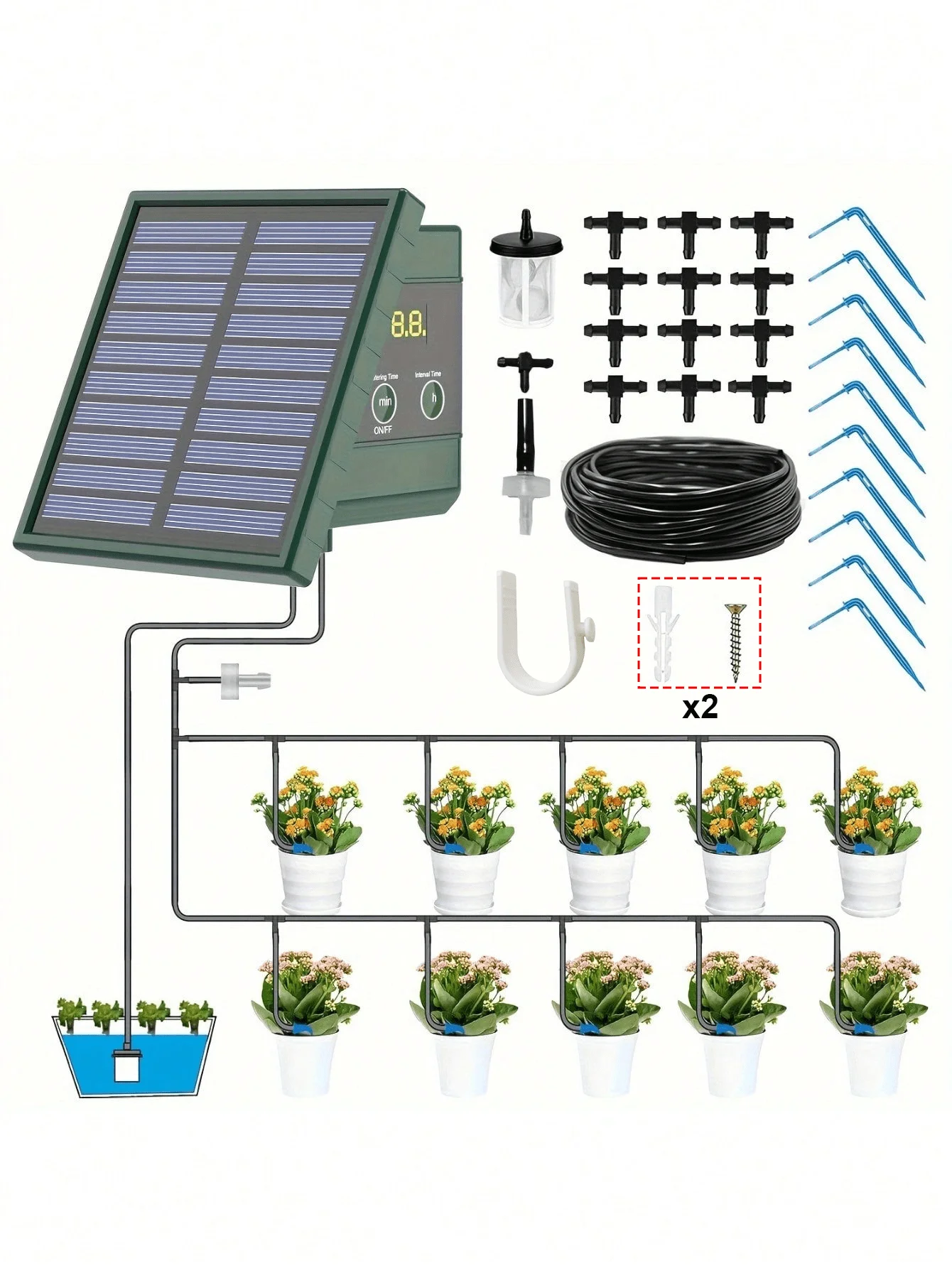
The Lowveld's warm, wet-summer climate is exactly what cabbage, broccoli and chard need, but it isn't without risk. Bushbuckridge was hit by a severe hailstorm in October 2024 that damaged homes and over 30 schools in the area — a reminder that this belt gets serious storm cells off the escarpment (TikTok/SABC News coverage). Mpumalanga's dams were sitting at a healthy 98.4% of capacity as of early August 2026, good news provincially, though river flow in our own Marite/Sabie catchment can still run tighter than that during dry spells (OurPower dam data). Our fix for that is watering at the root zone on a fixed schedule rather than by hand: a solar-powered drip system on a timer needs no mains power, keeps watering going on the days we're not around to do it manually, and loses far less to evaporation than surface watering — worth setting up before a dry stretch hits, not during one.
Support Around Us
The Siyazisiza Trust's Agri-Enterprise Development Programme currently backs 65 smallholder farmers across Bushbuckridge and Mbombela, with produce sold into Spar's White River and Hazyview branches — a real route from a small plot into retail shelves, operating in this exact district (Tourvest/Siyazisiza). There's also a Farmer Production Support Unit here in Bushbuckridge and a R20-million packhouse, giving small producers processing and storage infrastructure most of us couldn't afford individually (Mpumalanga Business). A 2026 pilot programme with women farmers in Bushbuckridge reported every participant improved their farm layout and yields, 92% diversified their crops, and 66 new jobs came out of the farming enterprises involved — proof this kind of support turns into real change on the ground here, not just a headline (AfDB feature).
Funding: What's Actually Available
The Comprehensive Agricultural Support Programme (CASP) is the main state channel for smallholder and land reform farmers, run through the Mpumalanga provincial Department of Agriculture. It isn't paid as cash — the department procures and delivers approved inputs and infrastructure directly, things like fencing, irrigation, seedlings and feed.
Farmer Category | Grant Portion | Maximum Grant Smallholder farmer | 70% grant / 30% loan | R500,000 Medium-scale farmer | 50% grant / 50% loan | R1,000,000
Applying means registering at the Bushbuckridge district Department of Agriculture office, having proof of land rights ready (title deed, lease, or Permission to Occupy letter), and putting together a farm profile — crops, land size, production cycle, target market — along with exactly what inputs or infrastructure you're asking for and why. Your ID, CSD number and SARS tax clearance PIN need to be sorted before you walk in, not after. (Source: CASP Funding Guide; terms vary by province.)
Sources
- Mpumalanga Business — Bushbuckridge FPSU and packhouse
- OurPower — South African dam levels (Mpumalanga)
- SABC News — Bushbuckridge/Marite hailstorm coverage
- Tourvest/Siyazisiza Trust — Bushbuckridge smallholder market linkage
- AfDB — Women farmers programme, Bushbuckridge
- Okhantu — CASP Funding Guide 2026
- Wikipedia — Bushbuckridge Local Municipality